11:42 PM @wahaj_bani_moufleh **Photography Between the Abyss and Death**
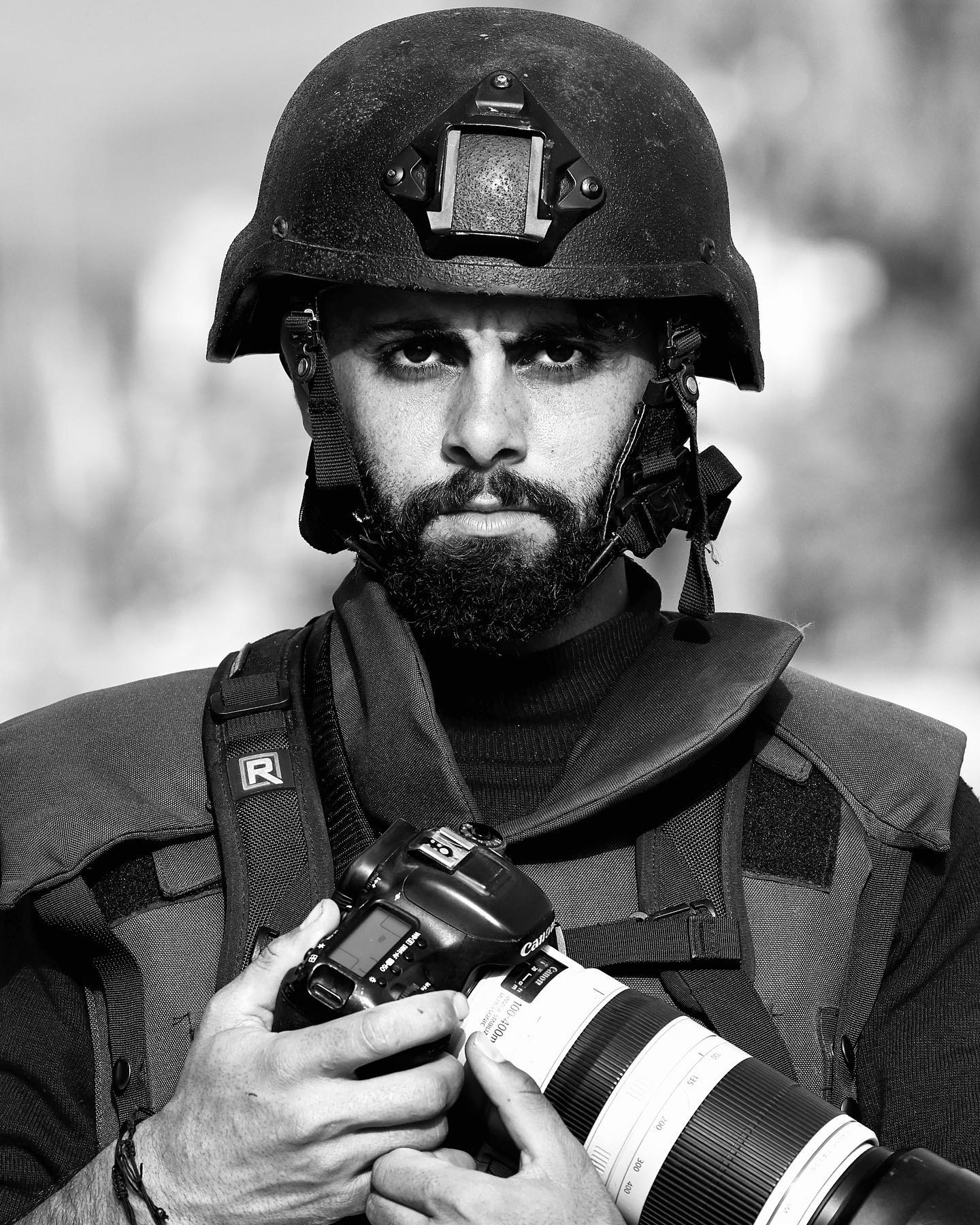
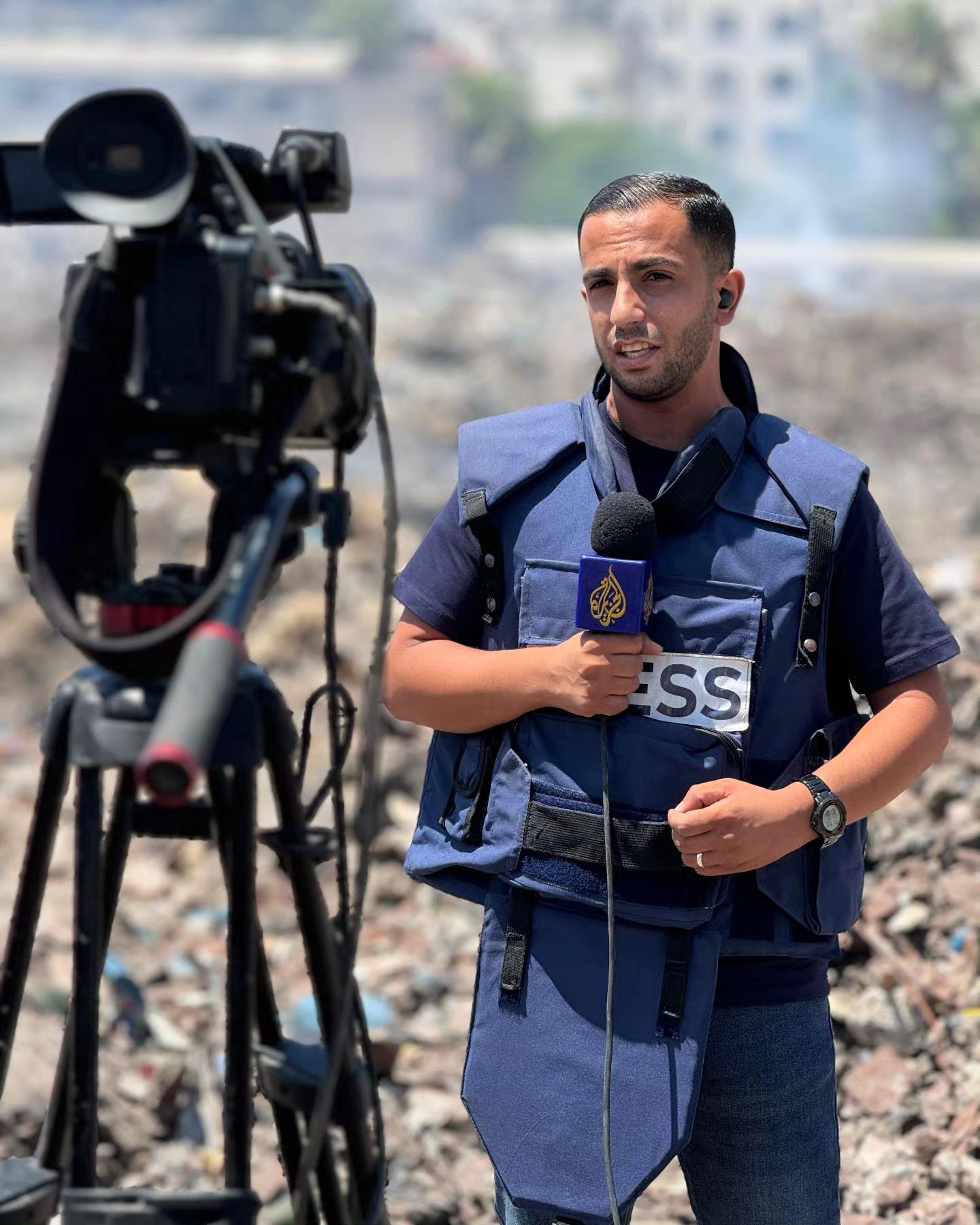
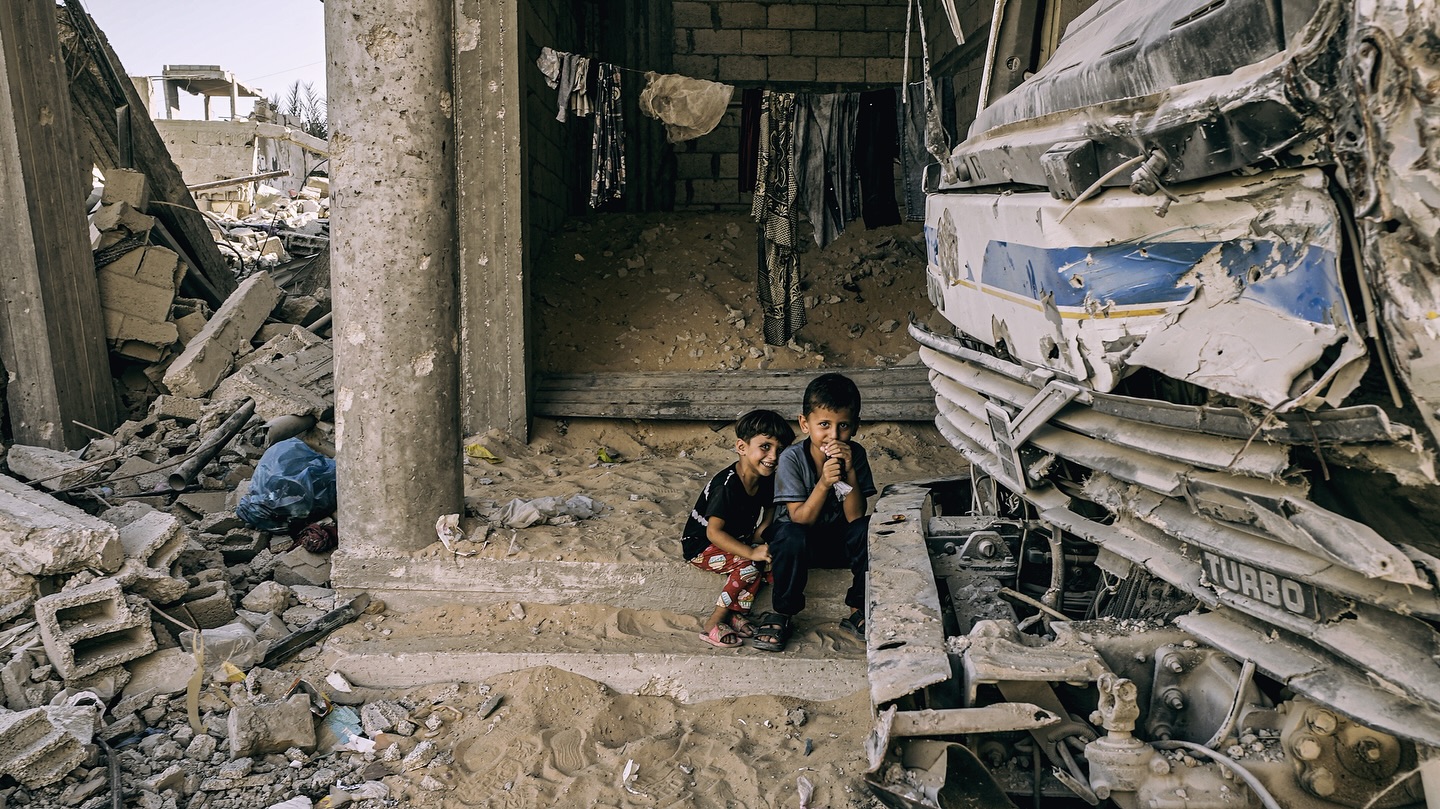
The majority of photographers engage in photography as a hobby, and these hobbyists significantly outnumber those who pursue photography as a profession. Among these professionals, a small percentage specialize in photojournalism, and this is where the danger lies. Photojournalism includes war photography, which puts the photographer dangerously close to the edge of death, carrying their shroud along with their photography gear.
Whether you are a hobbyist or a photographer in a studio or in nature, you must appreciate the risks and sacrifices made by your fellow photographers who bring you live events from dangerous places, so you can see the truth with your own eyes.
I do not have statistics on the number of photographers who have been martyred while performing their heroic work in Palestine, Syria, Iraq, and other places, but I know that the number is significant. These photographers give their lives to capture the truth in images.
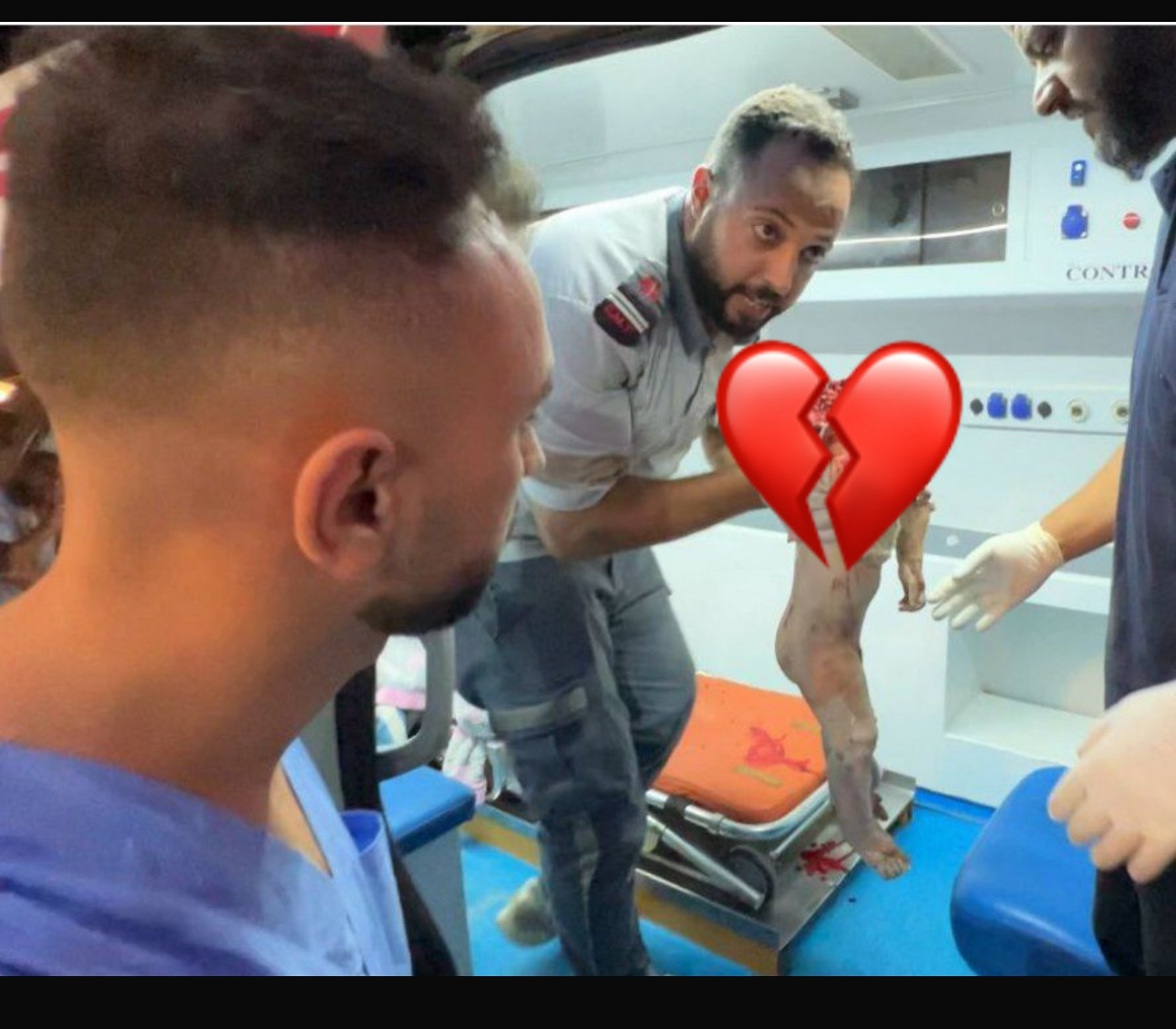
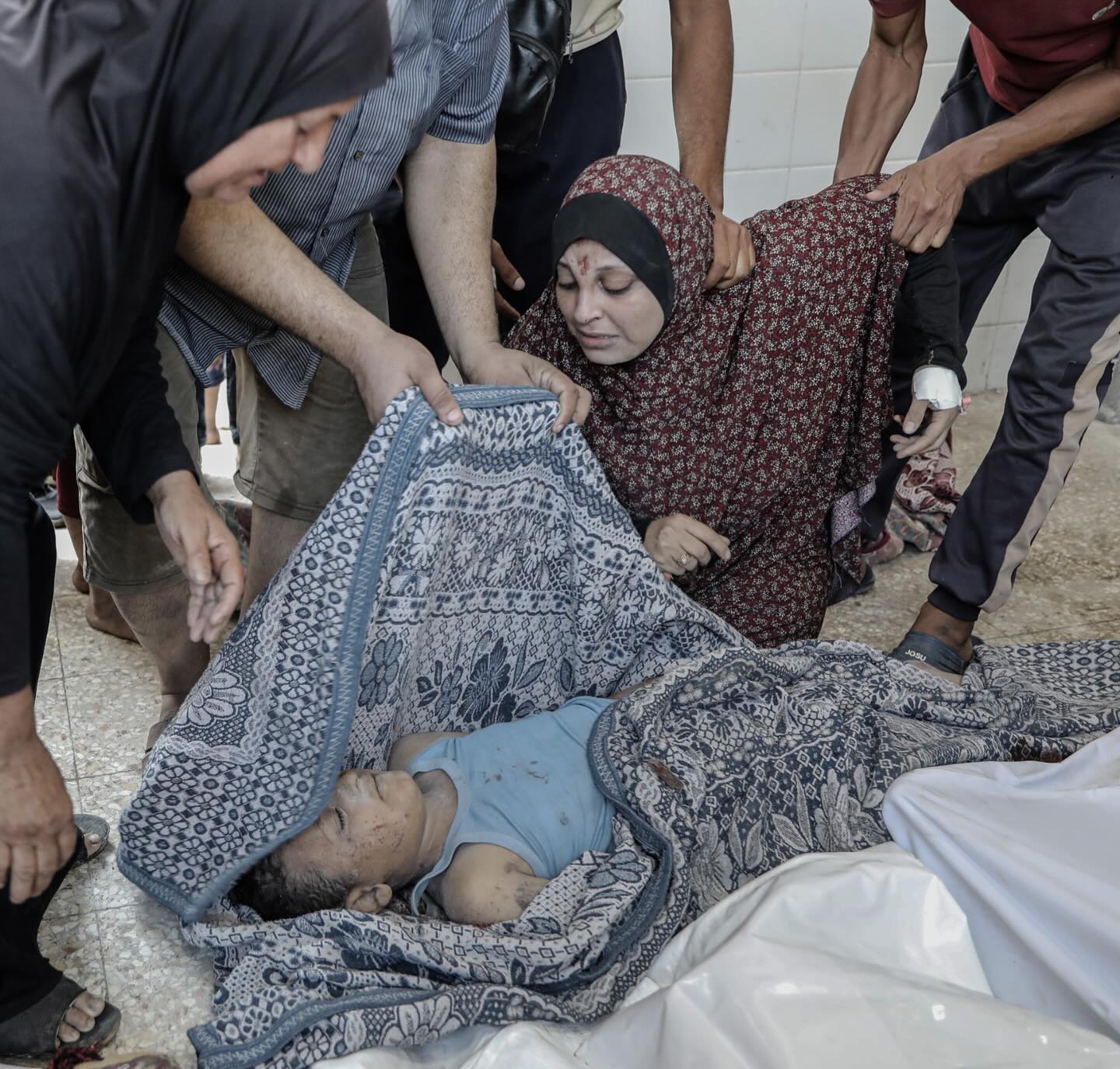
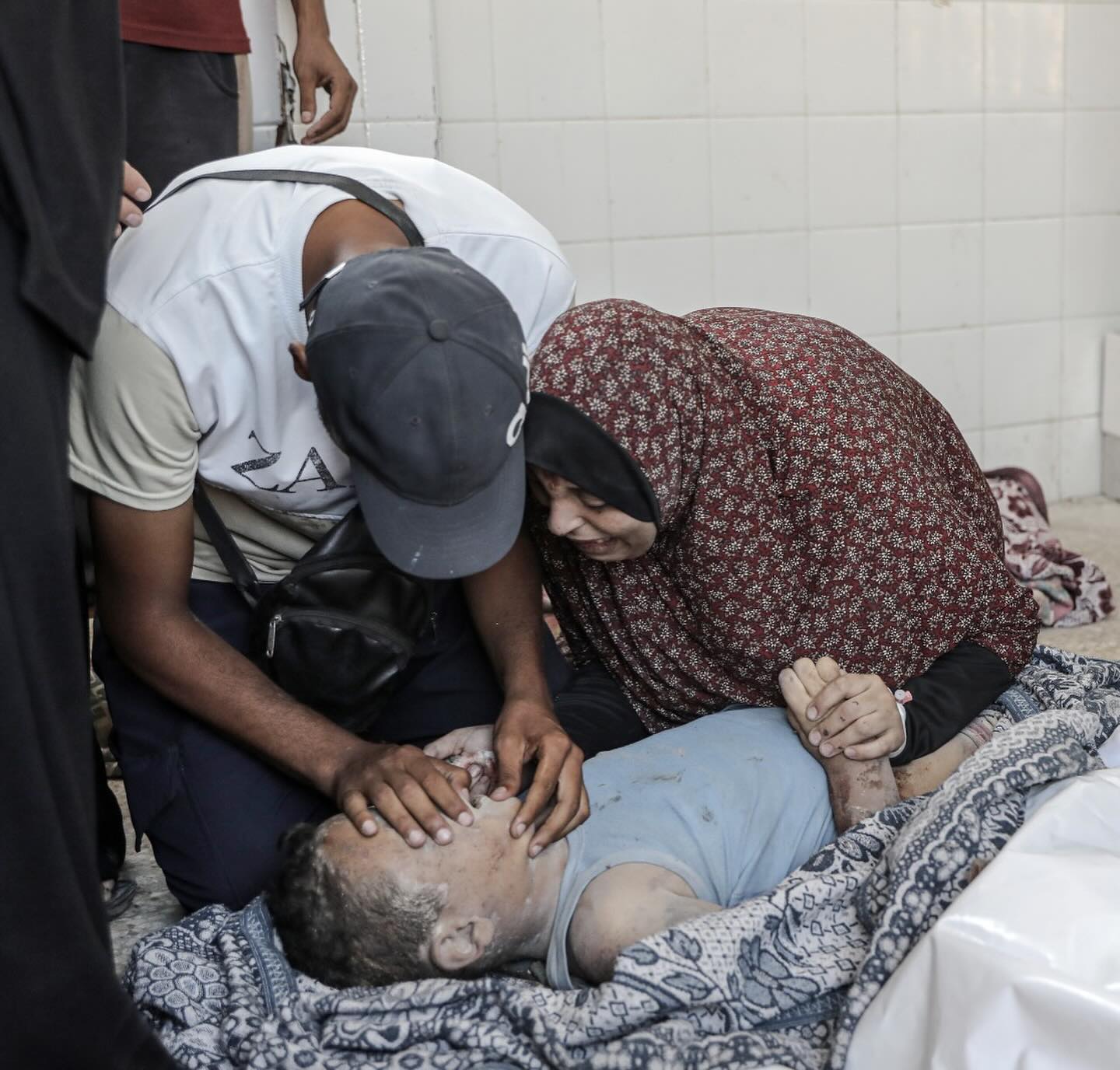
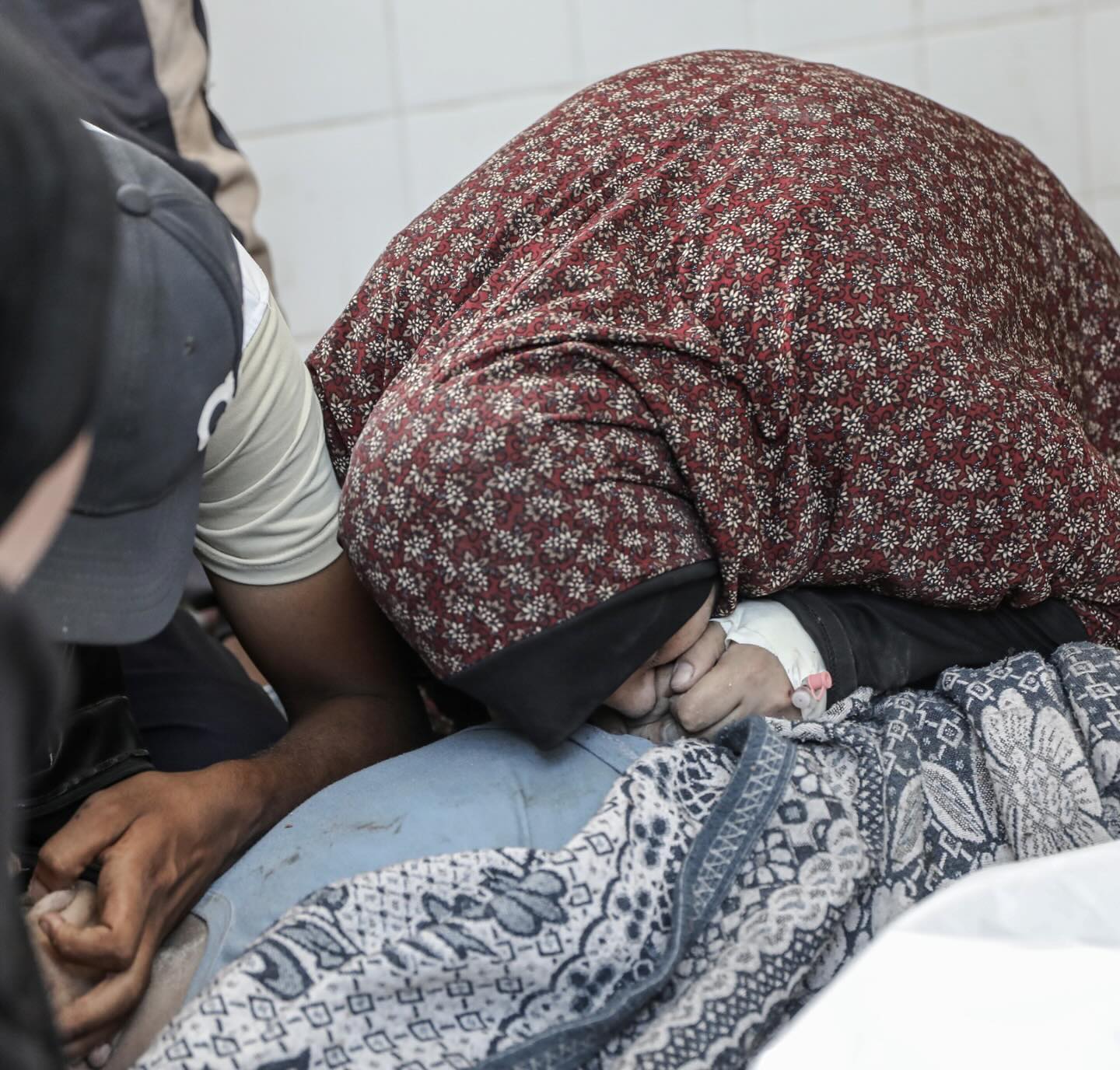
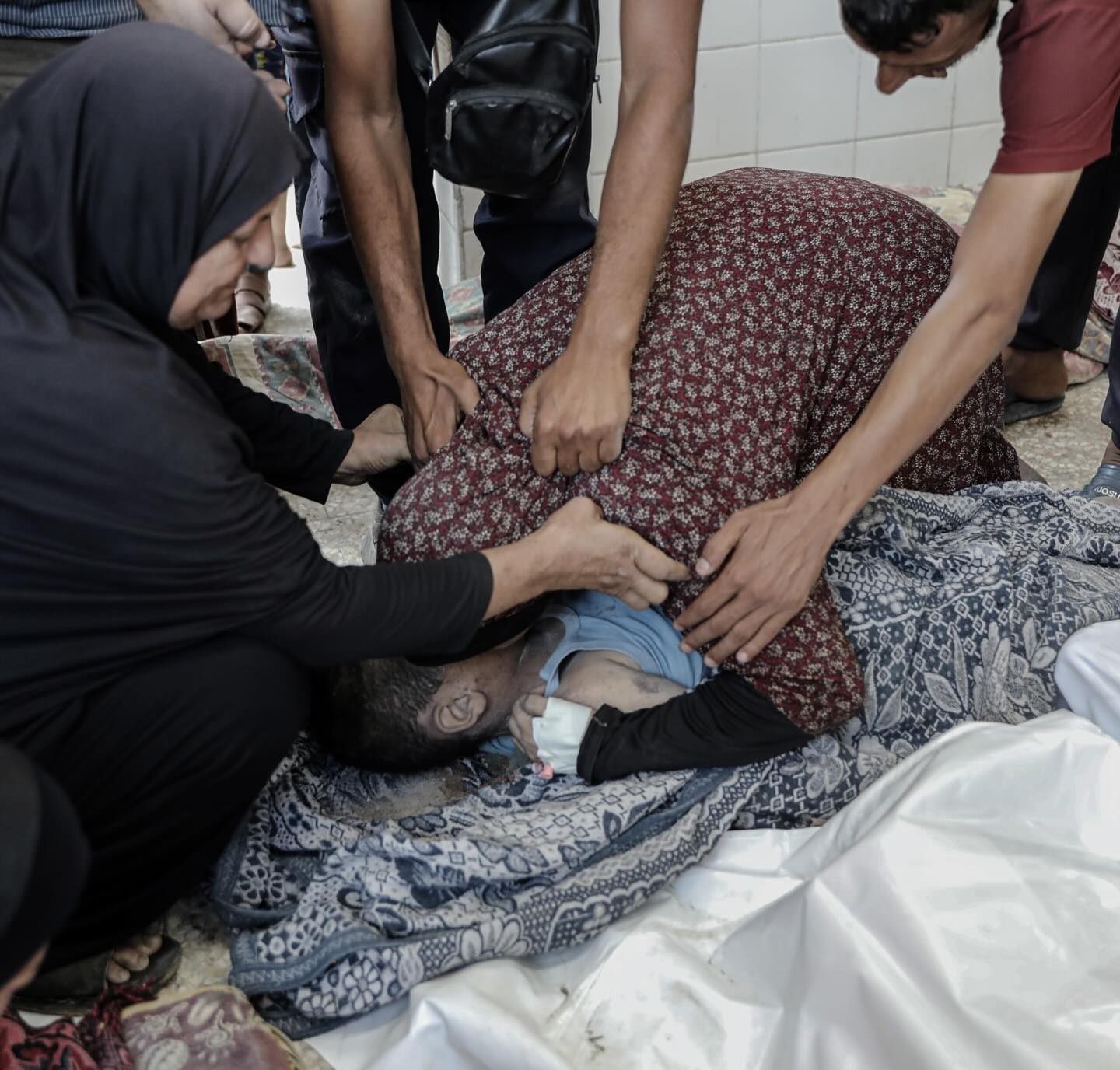
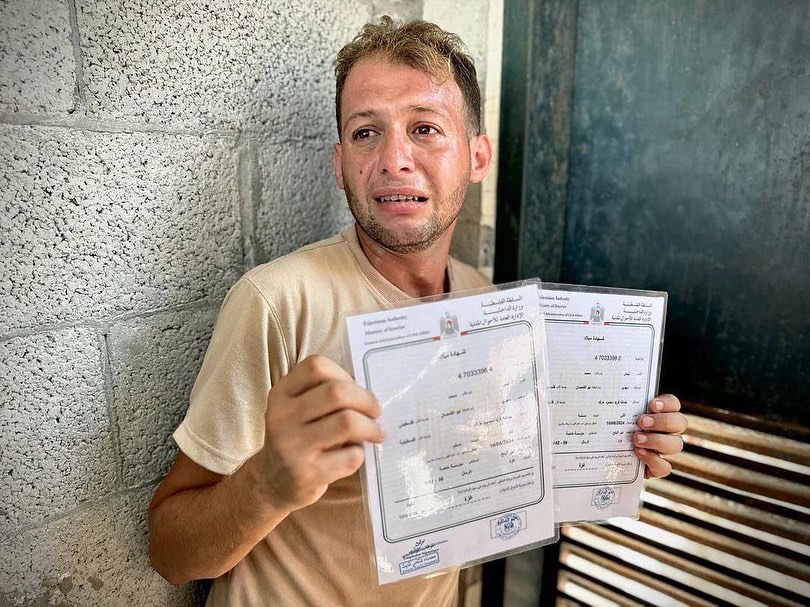
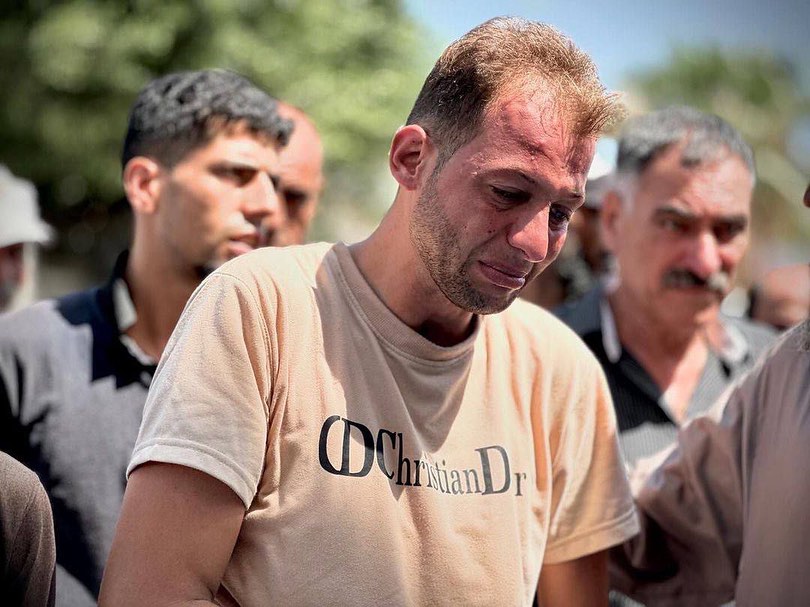
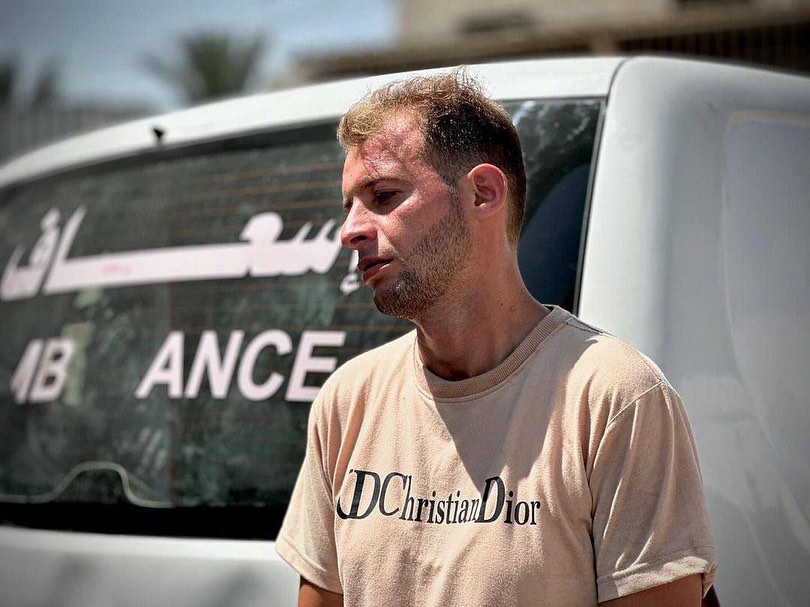
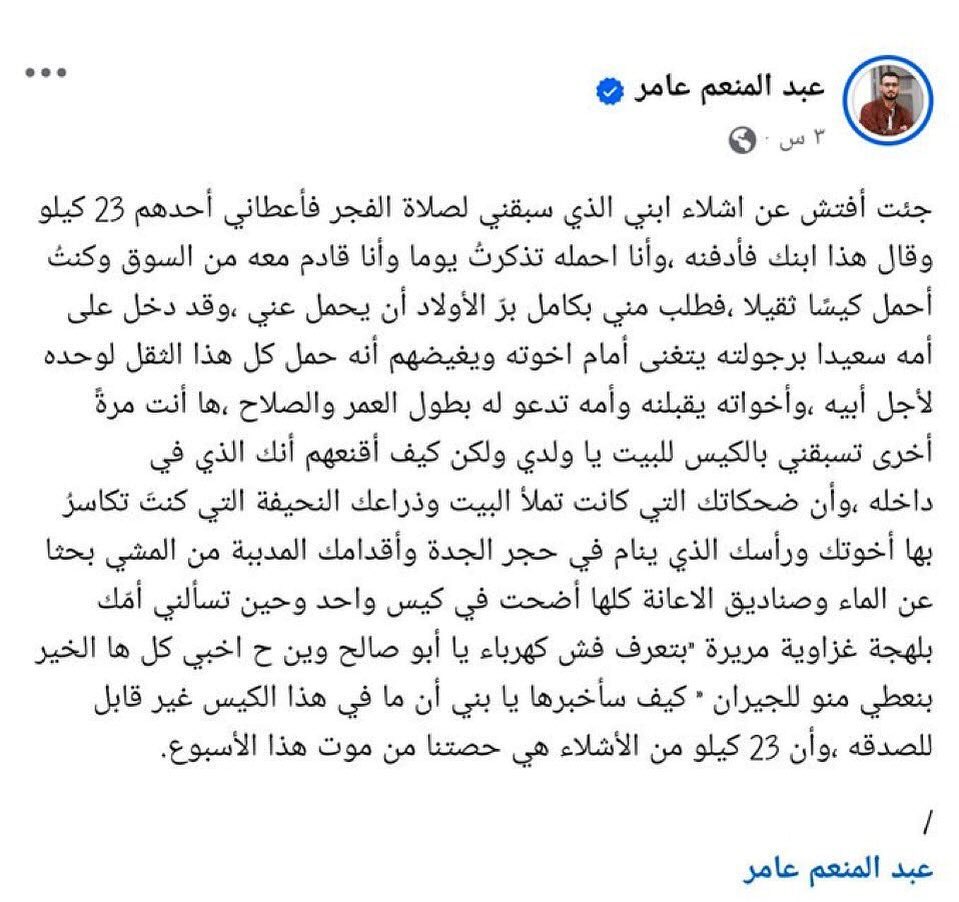
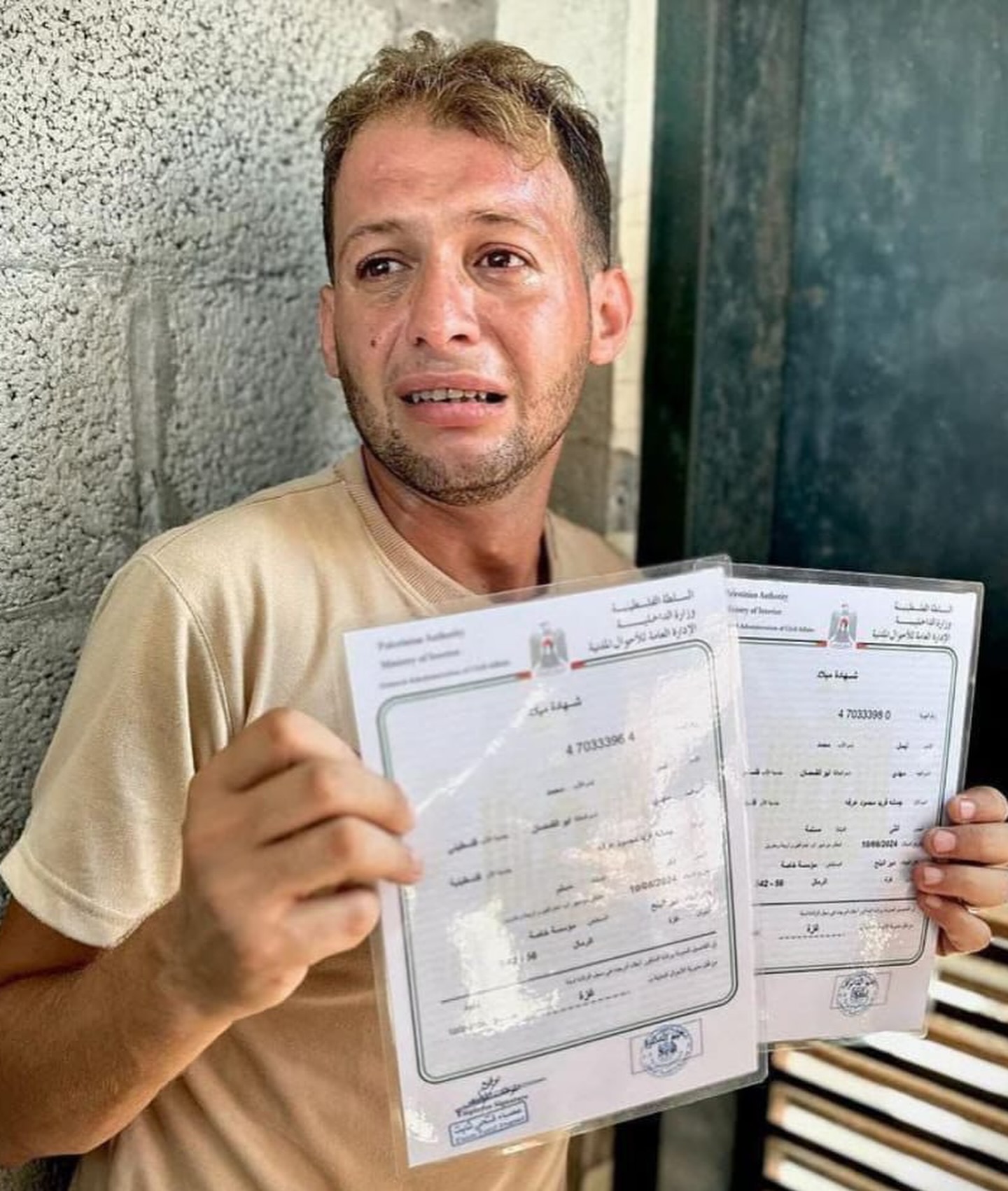
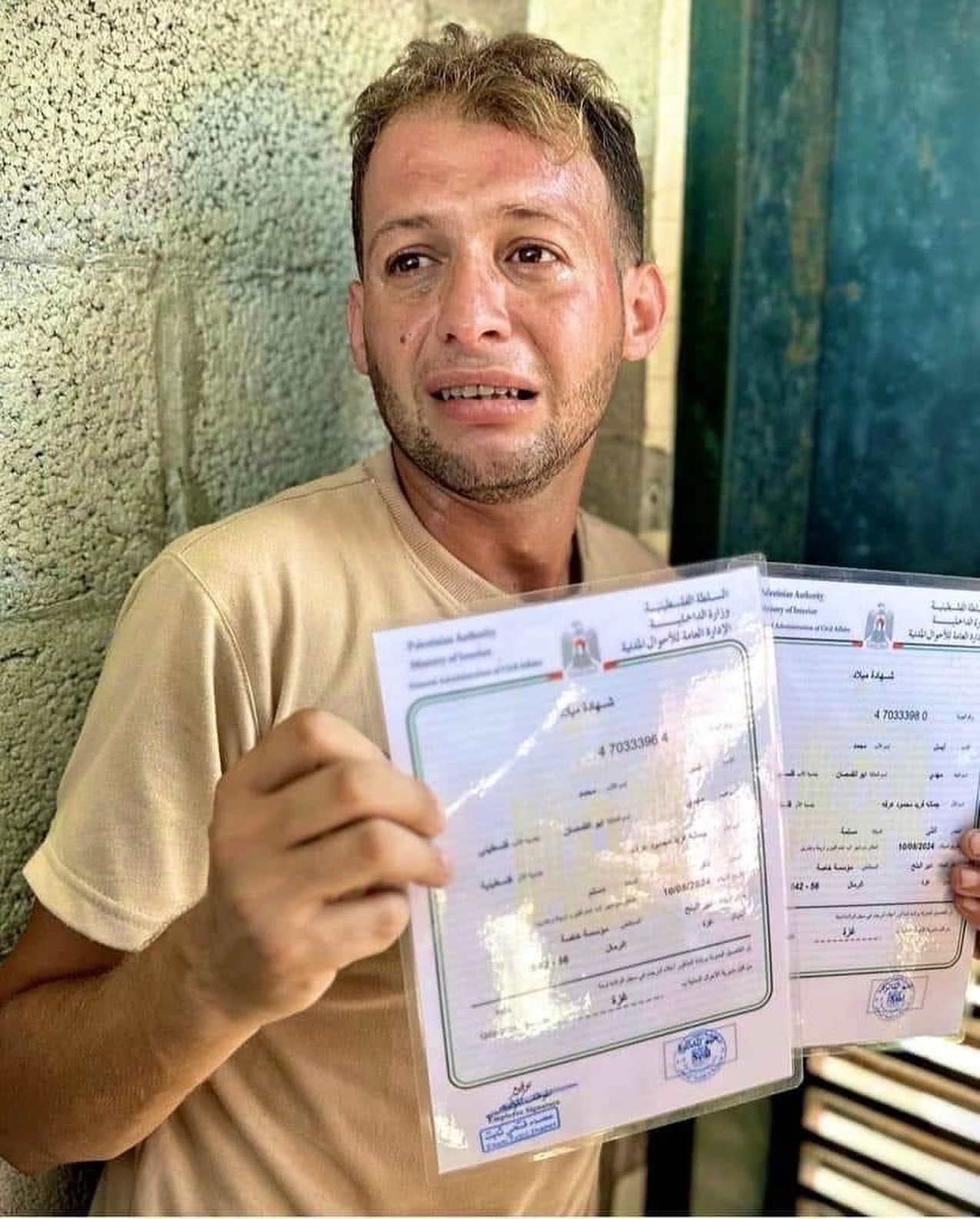
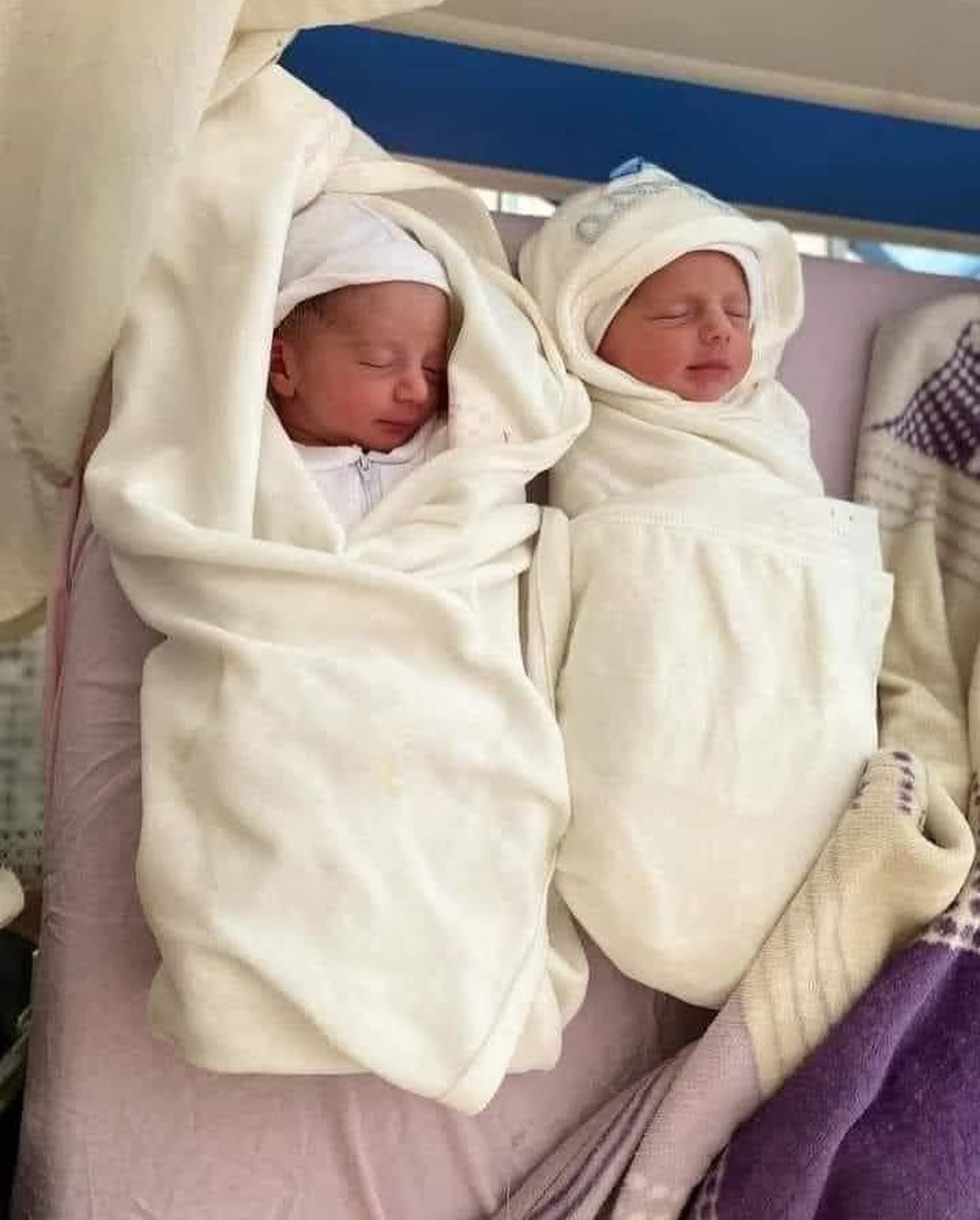
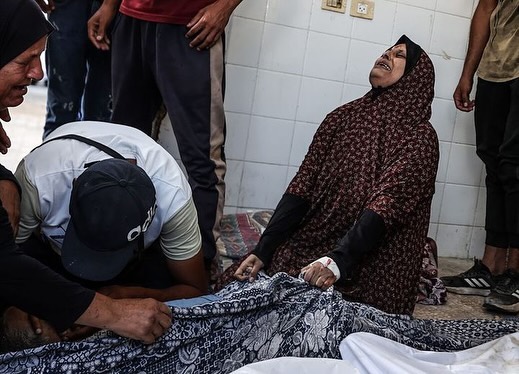
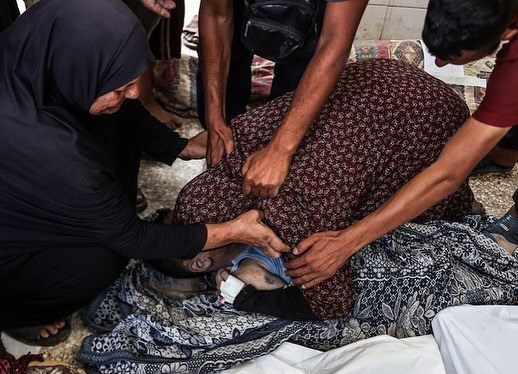
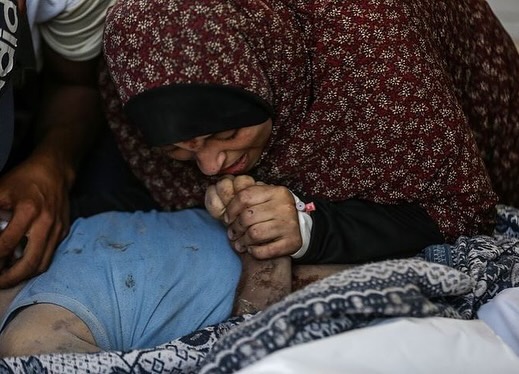
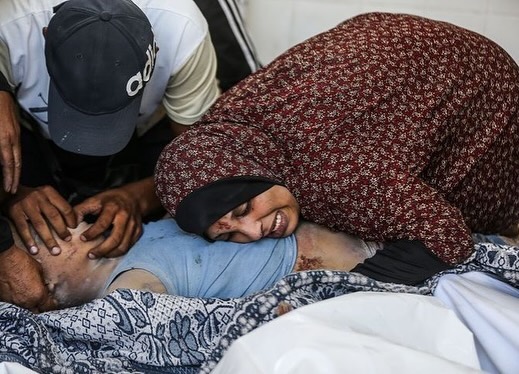
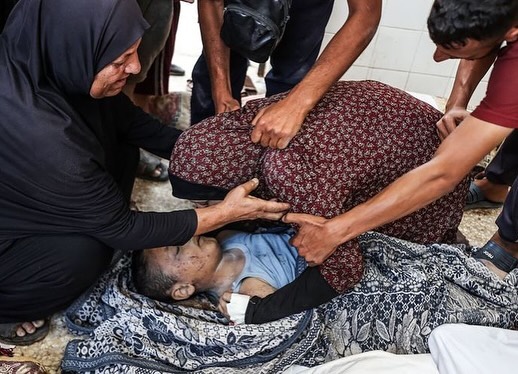
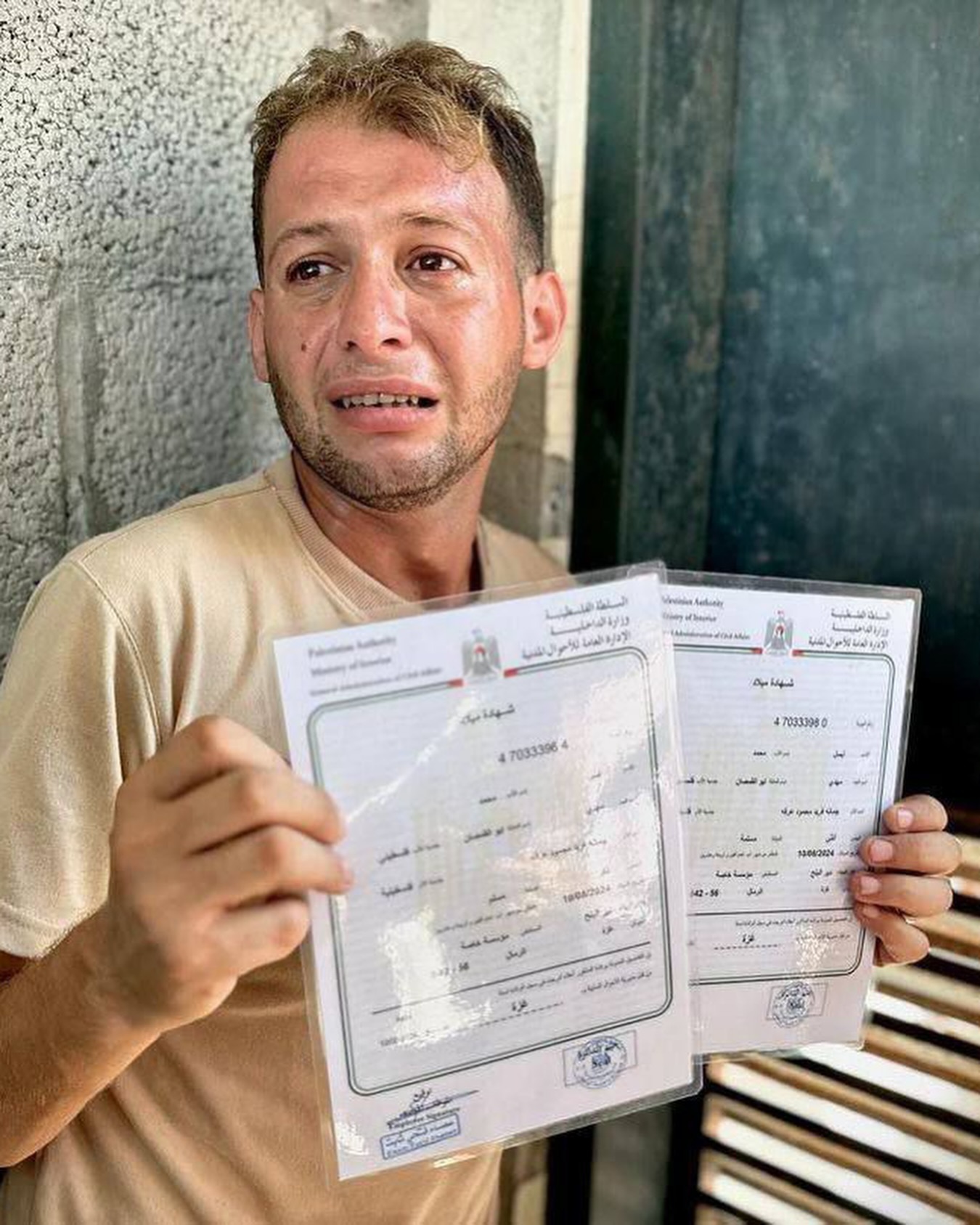
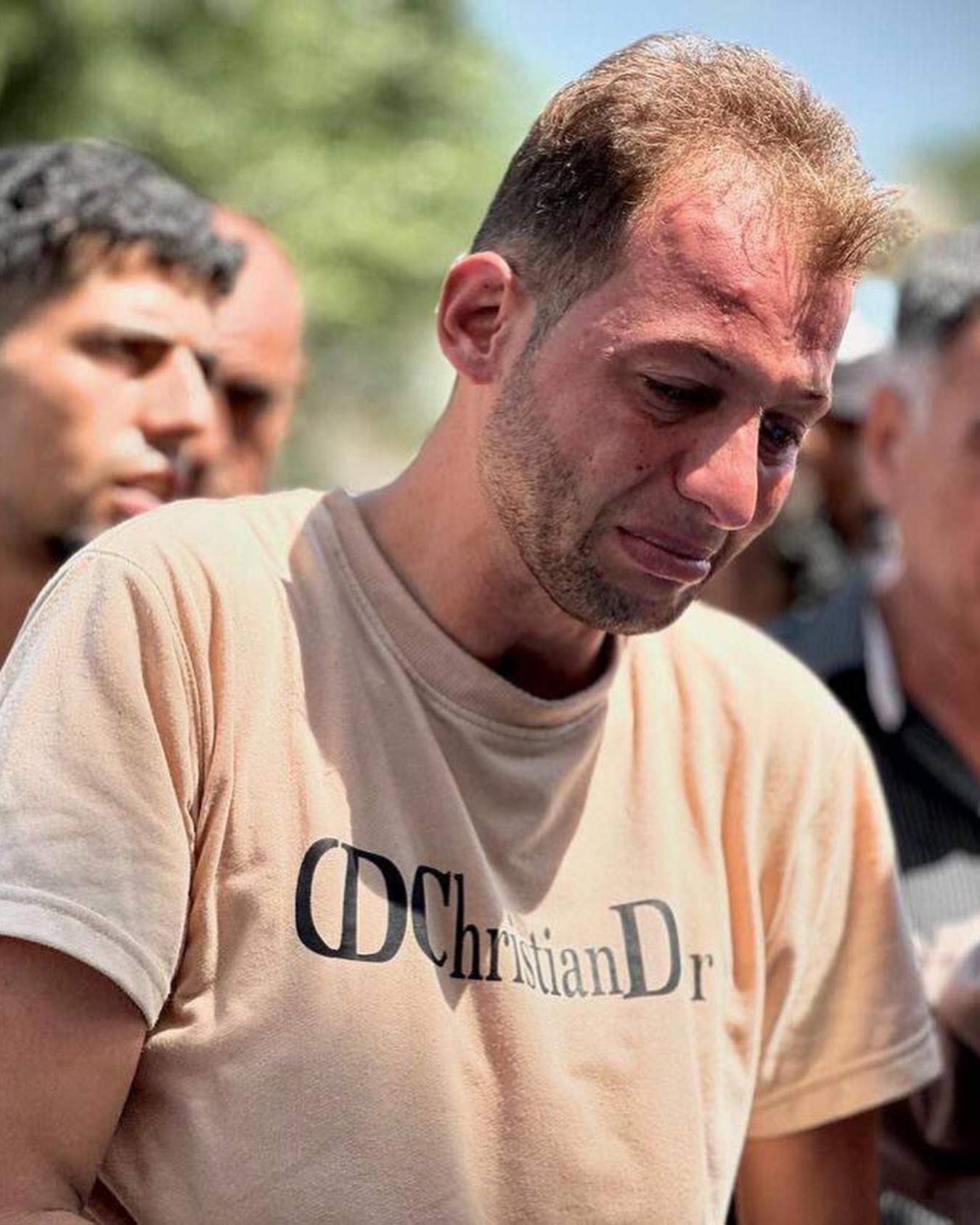
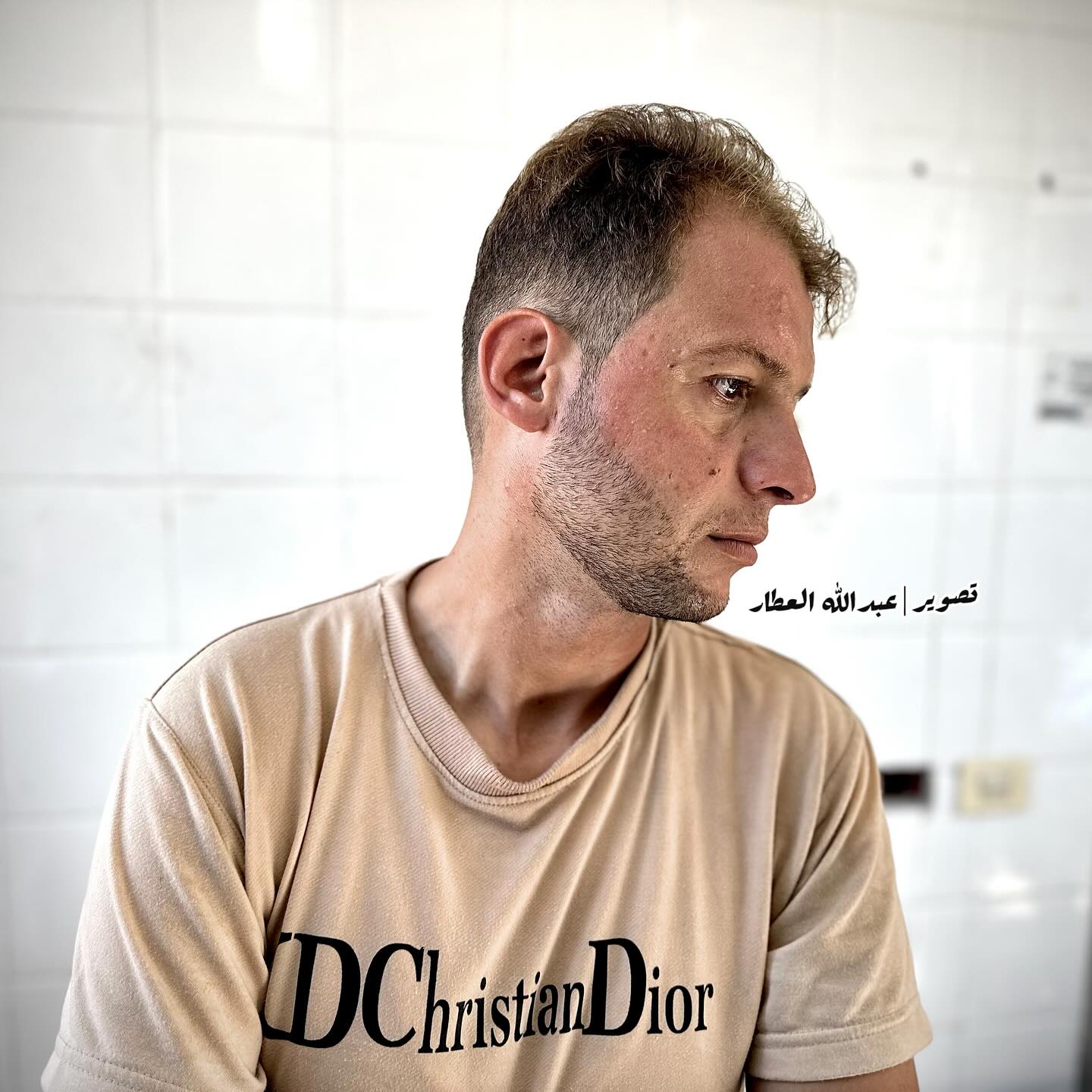
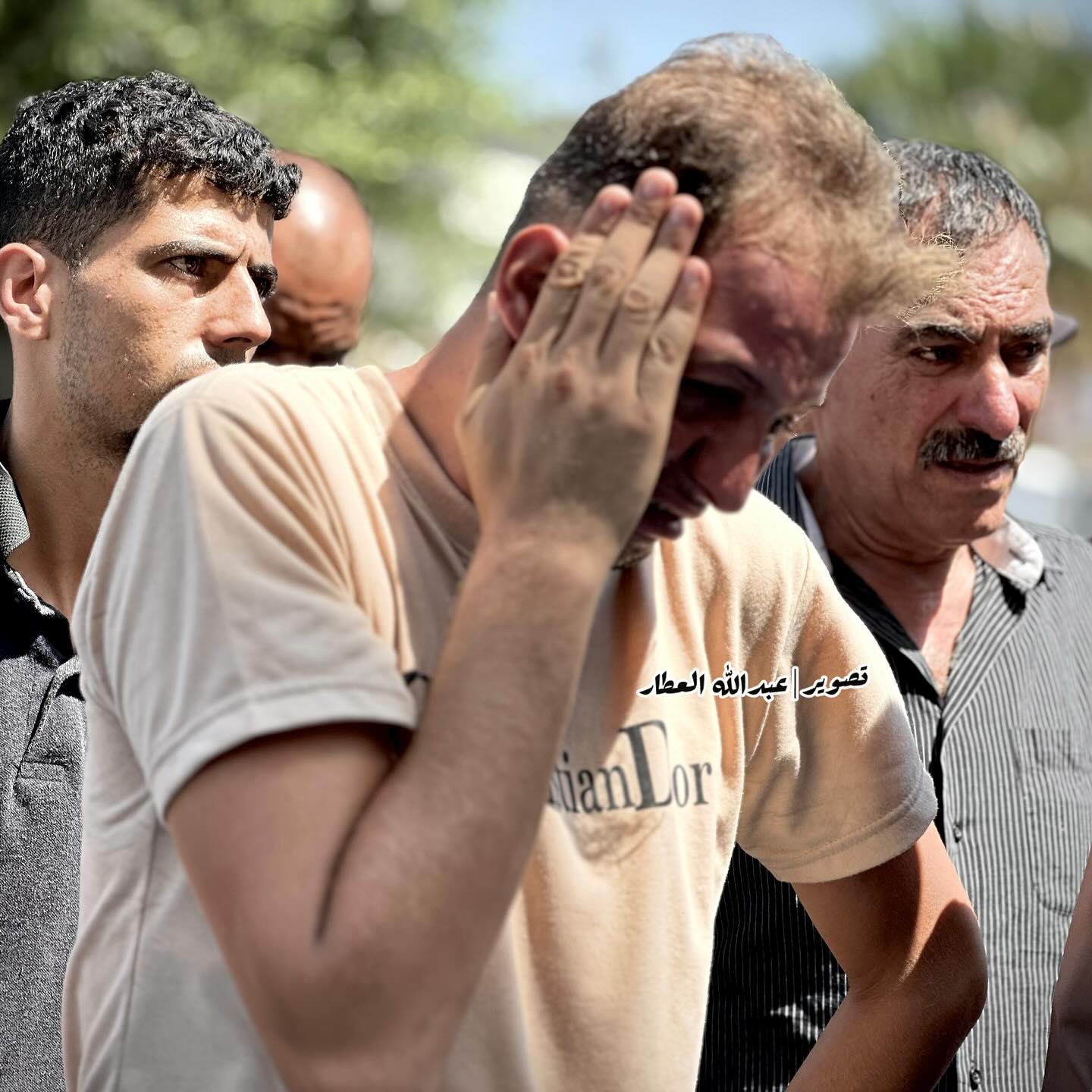
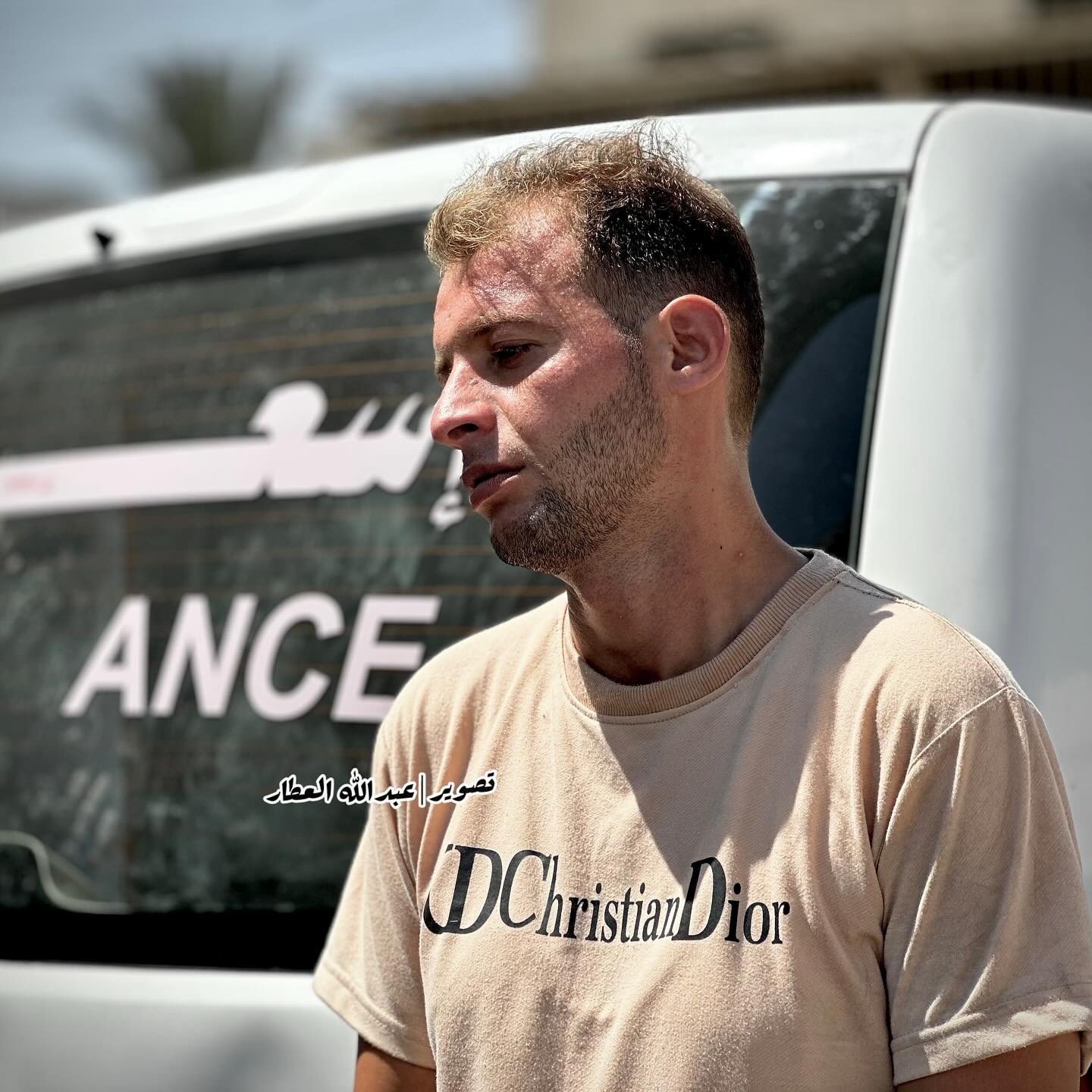
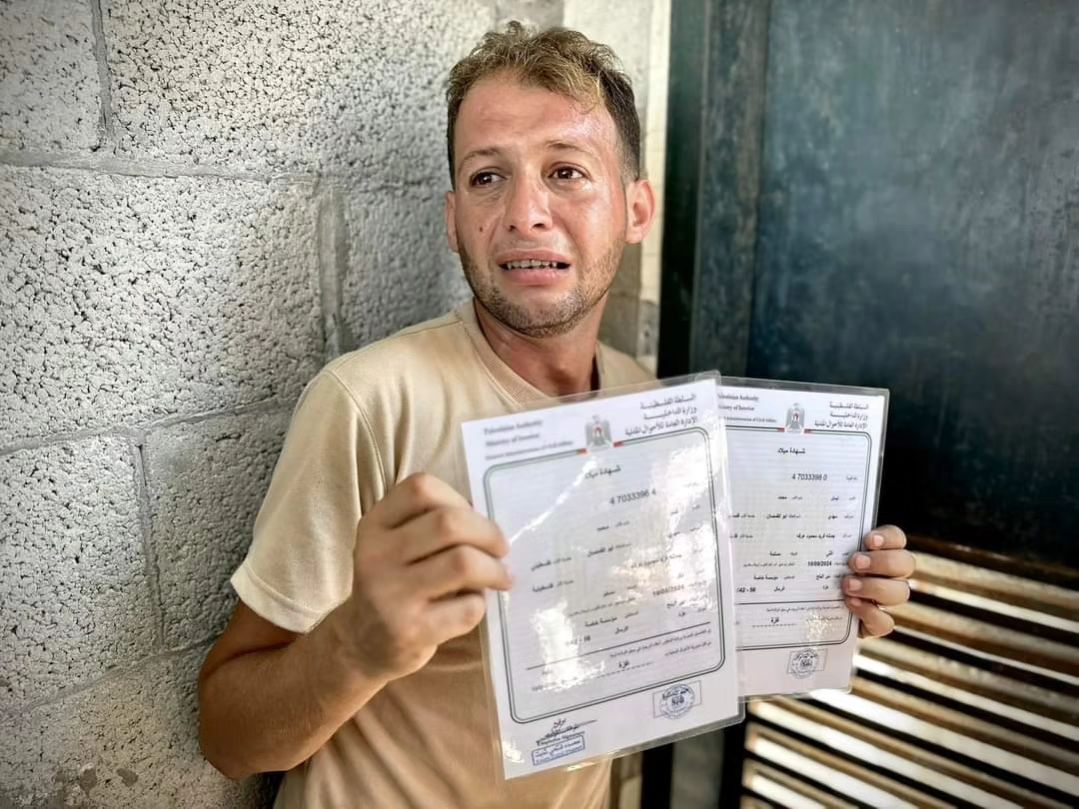
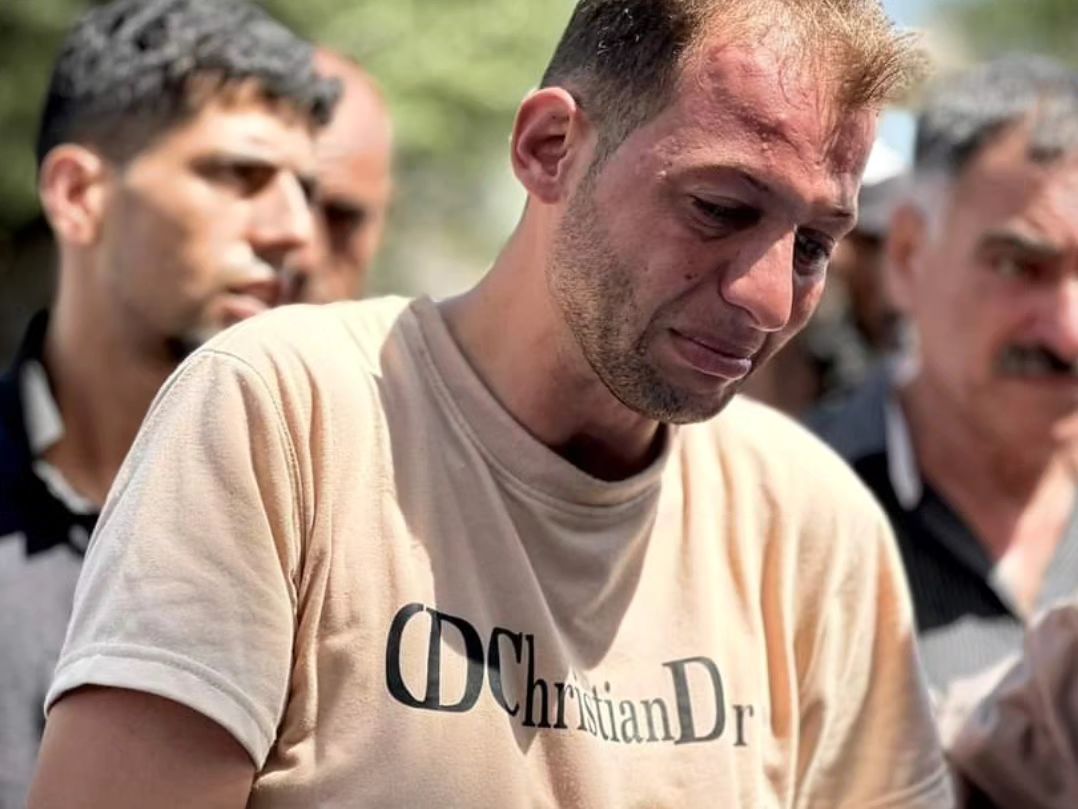
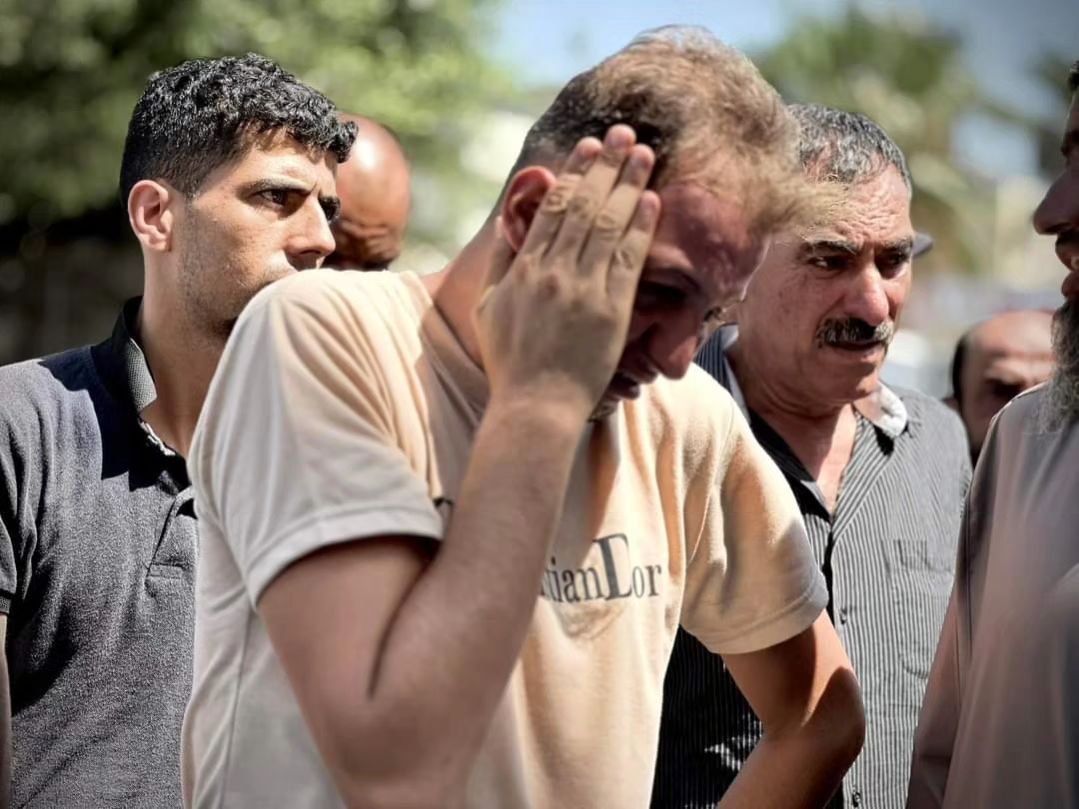
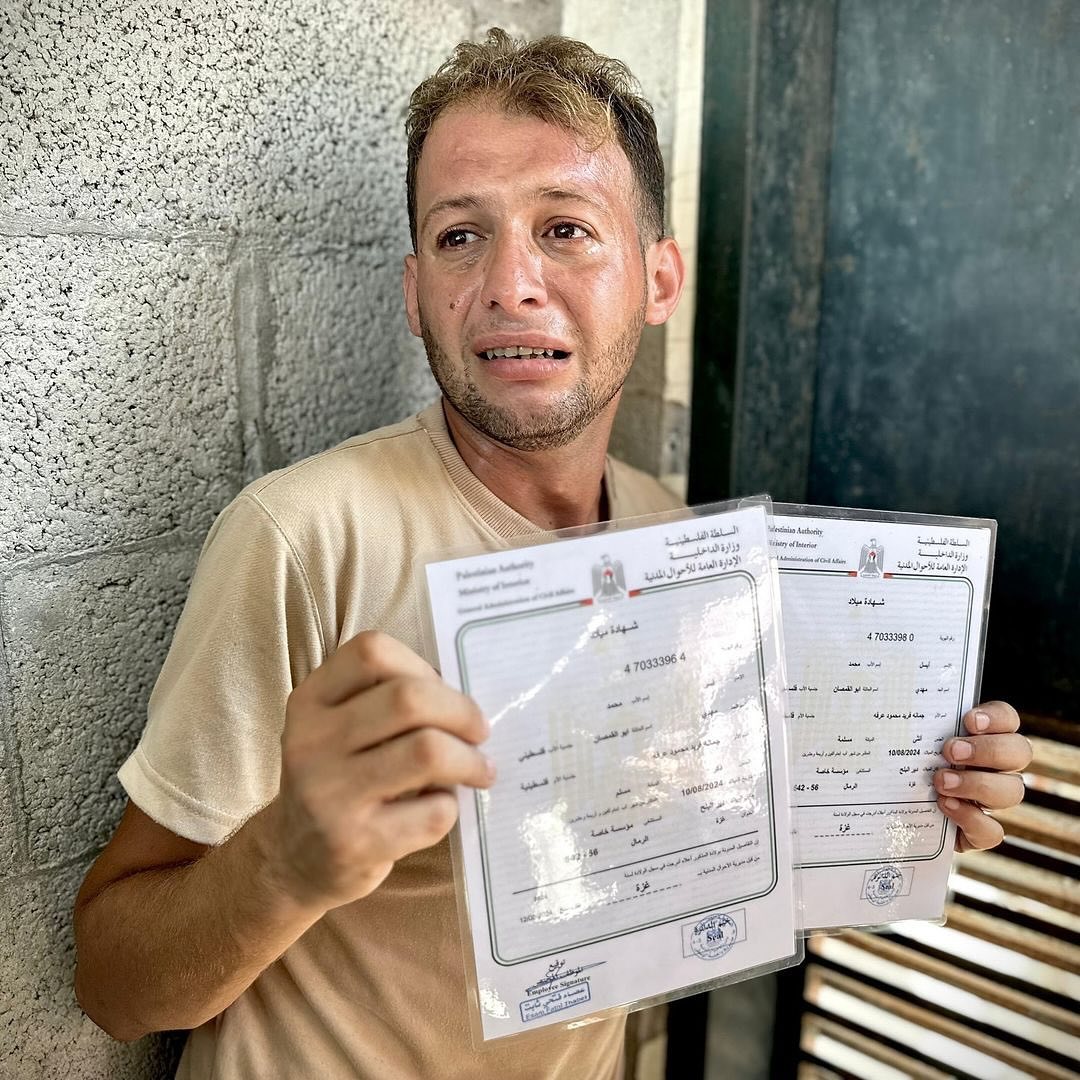
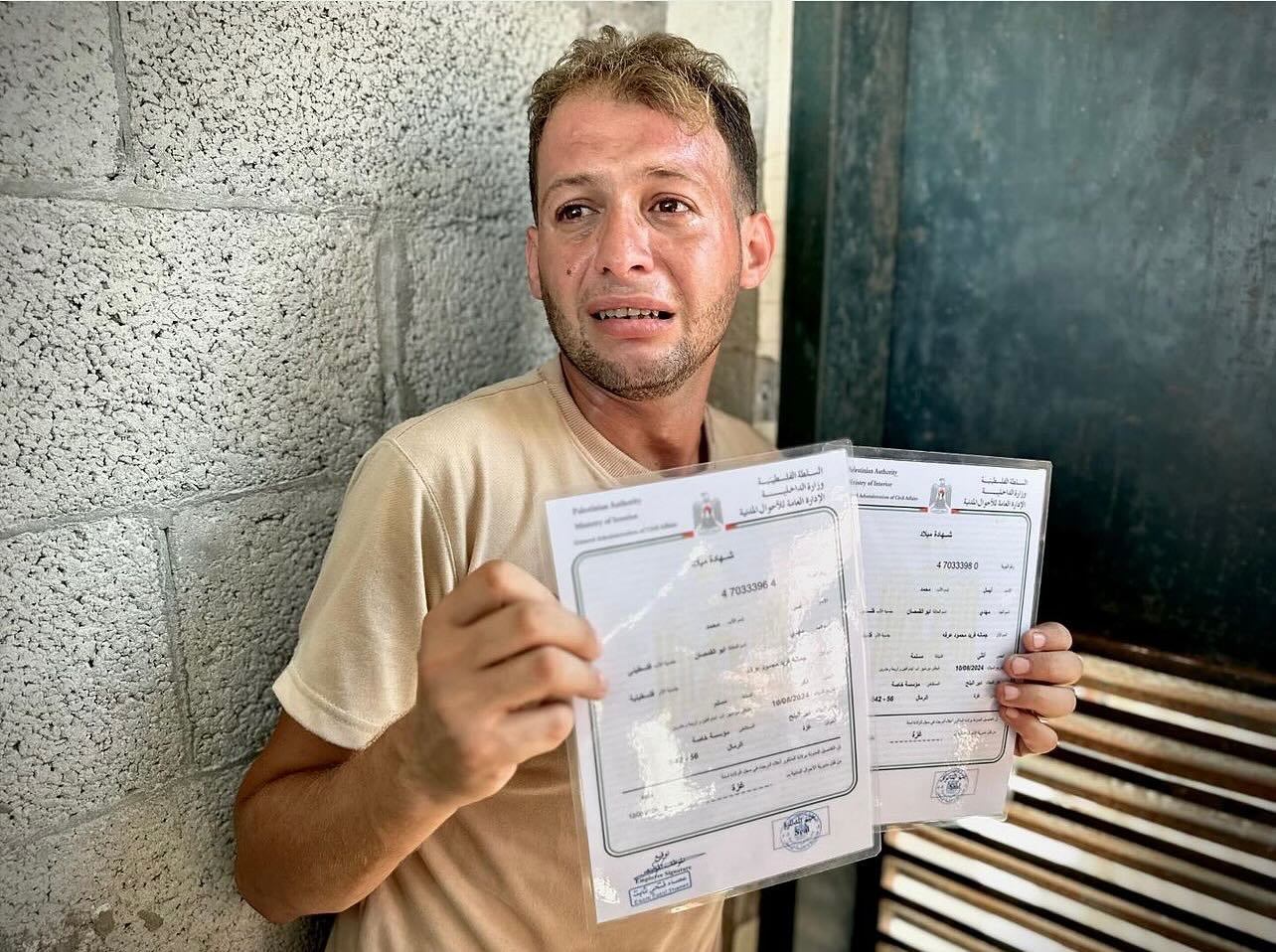
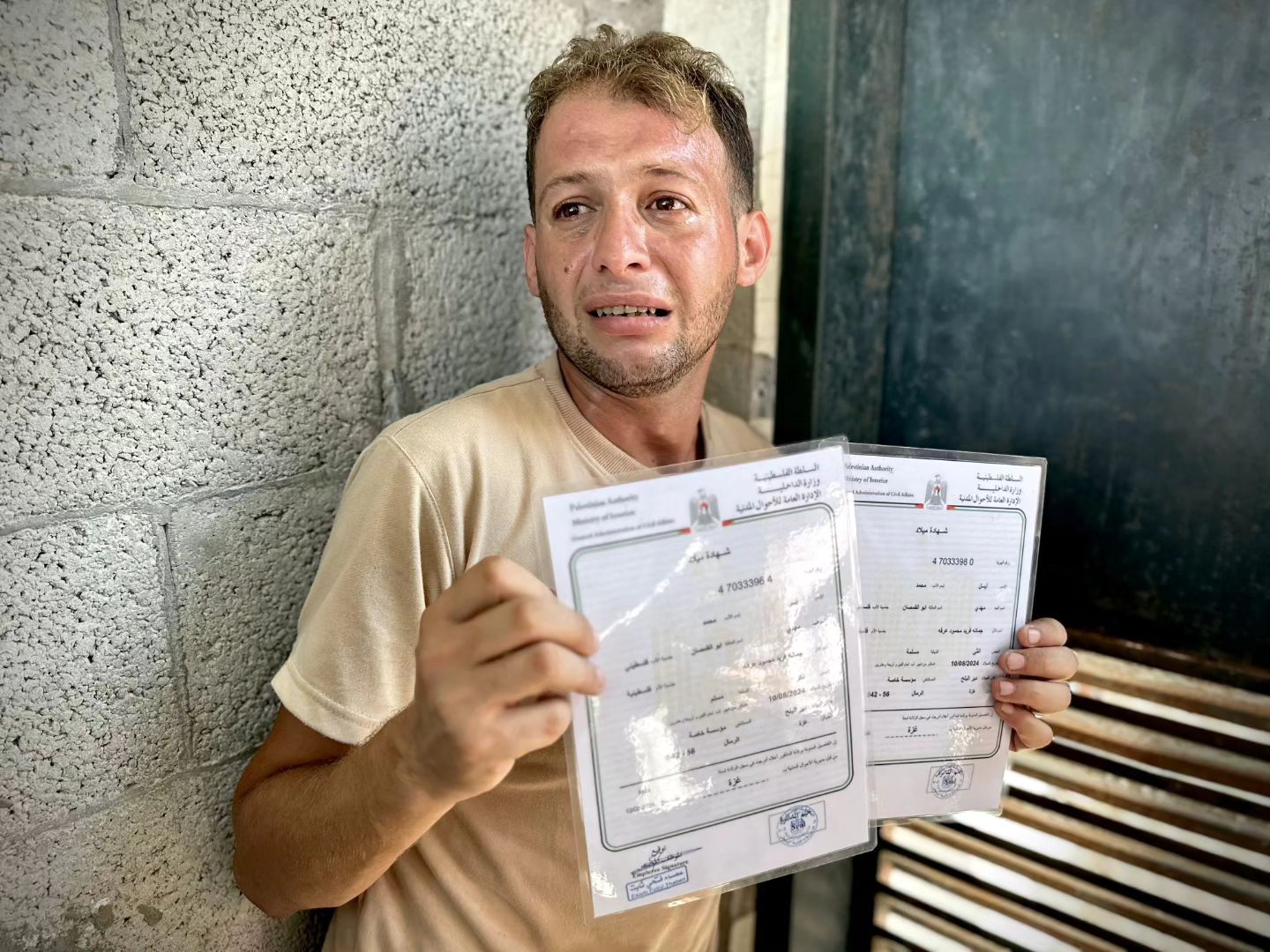
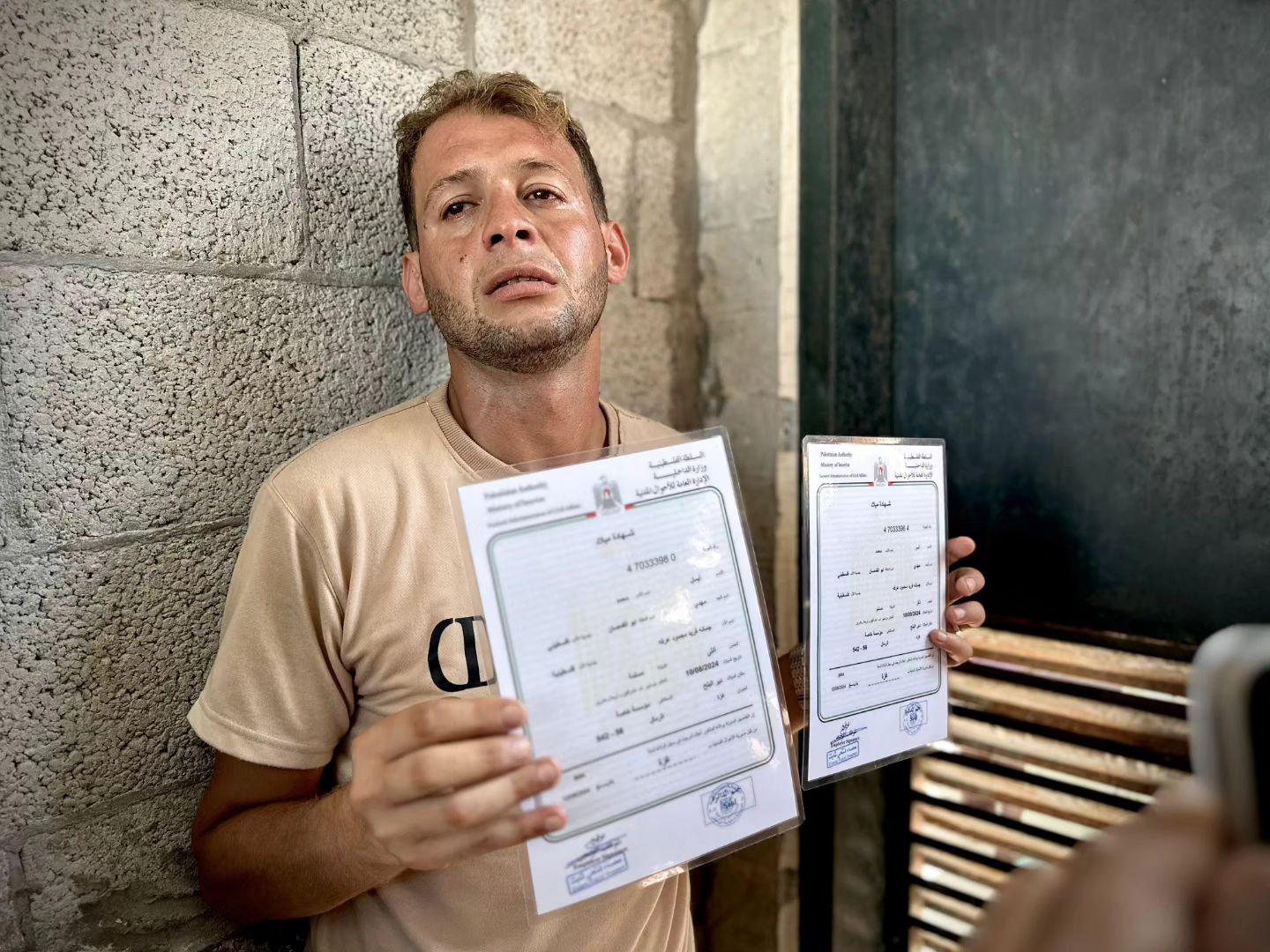
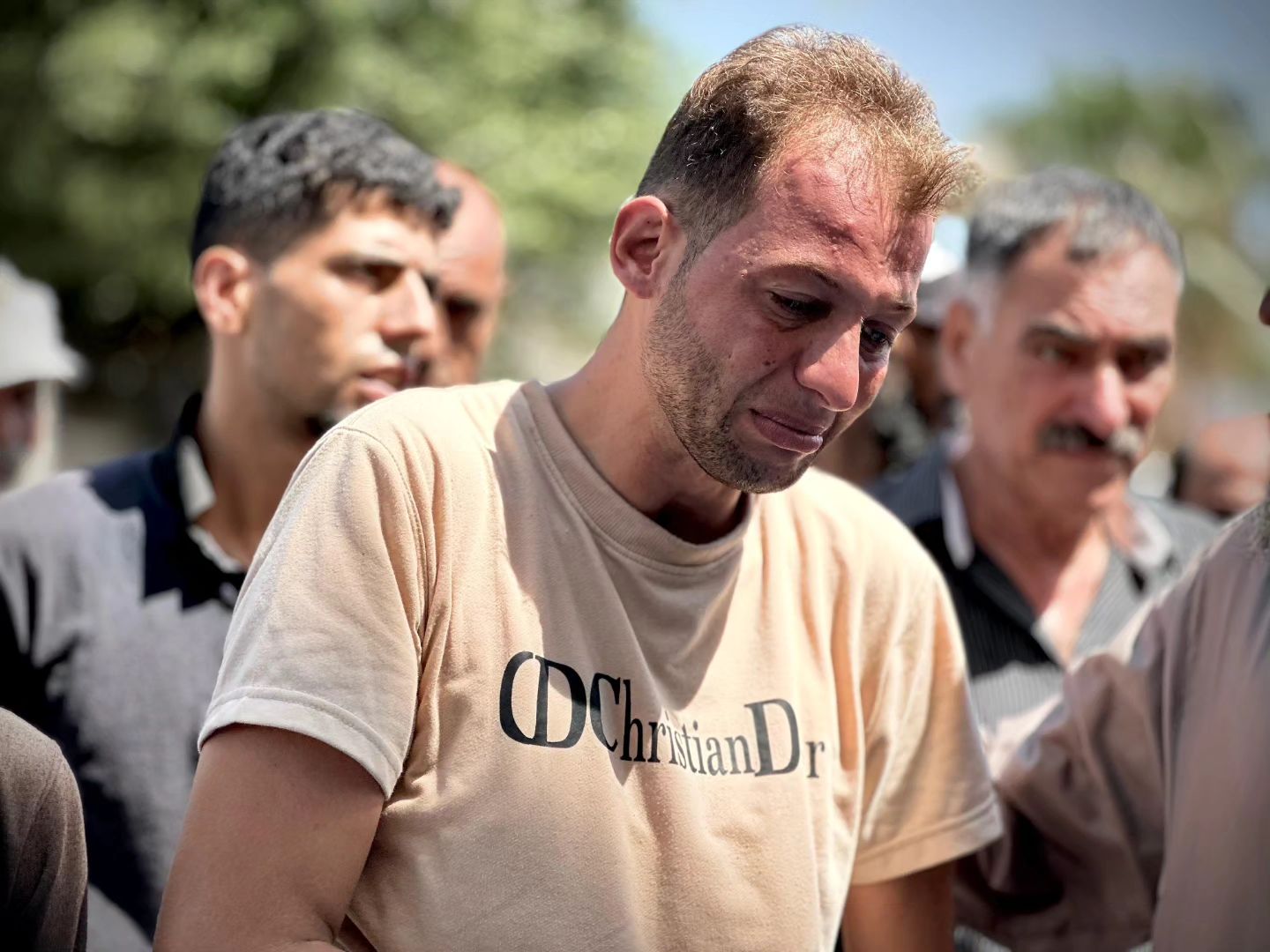
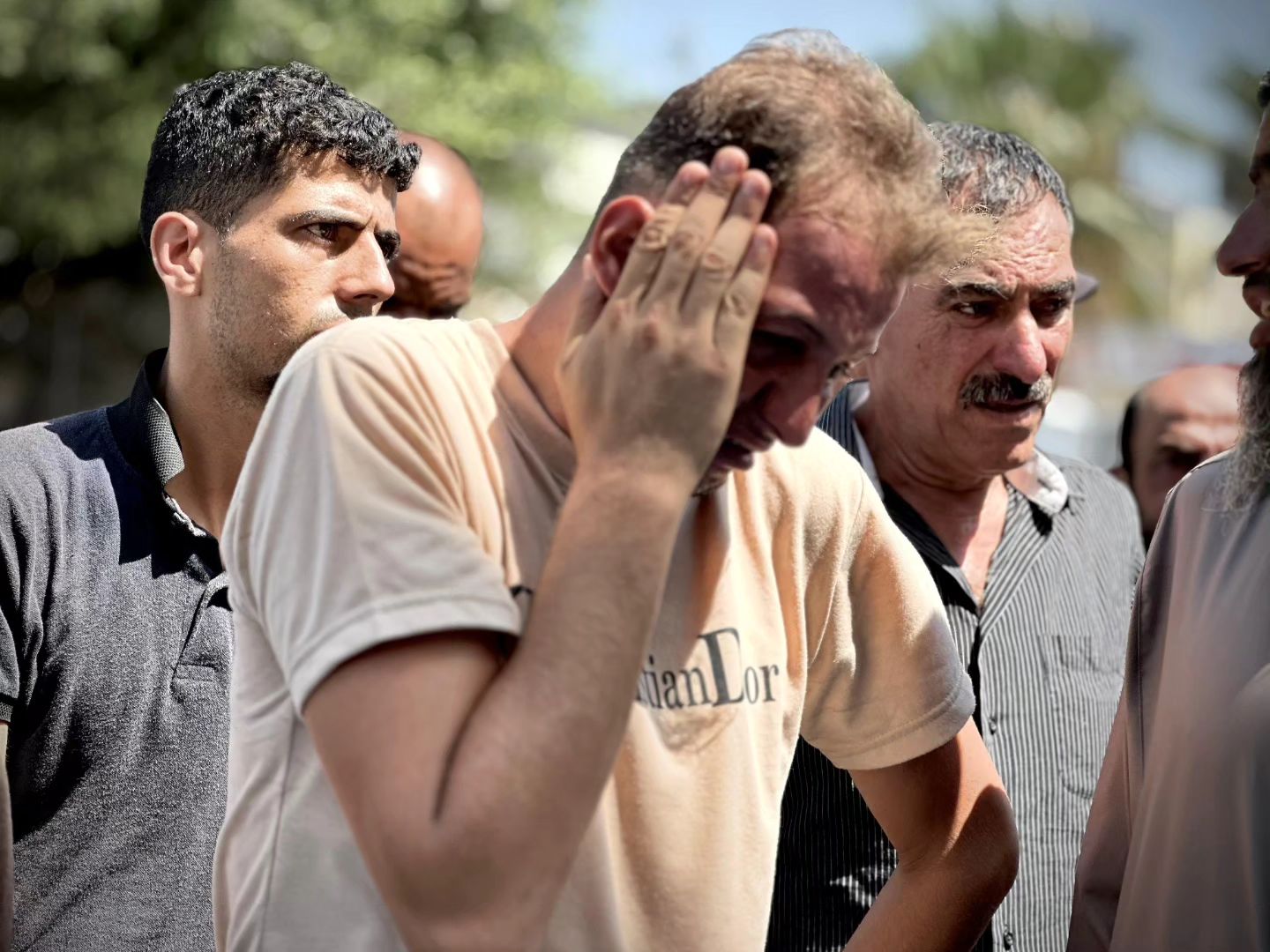
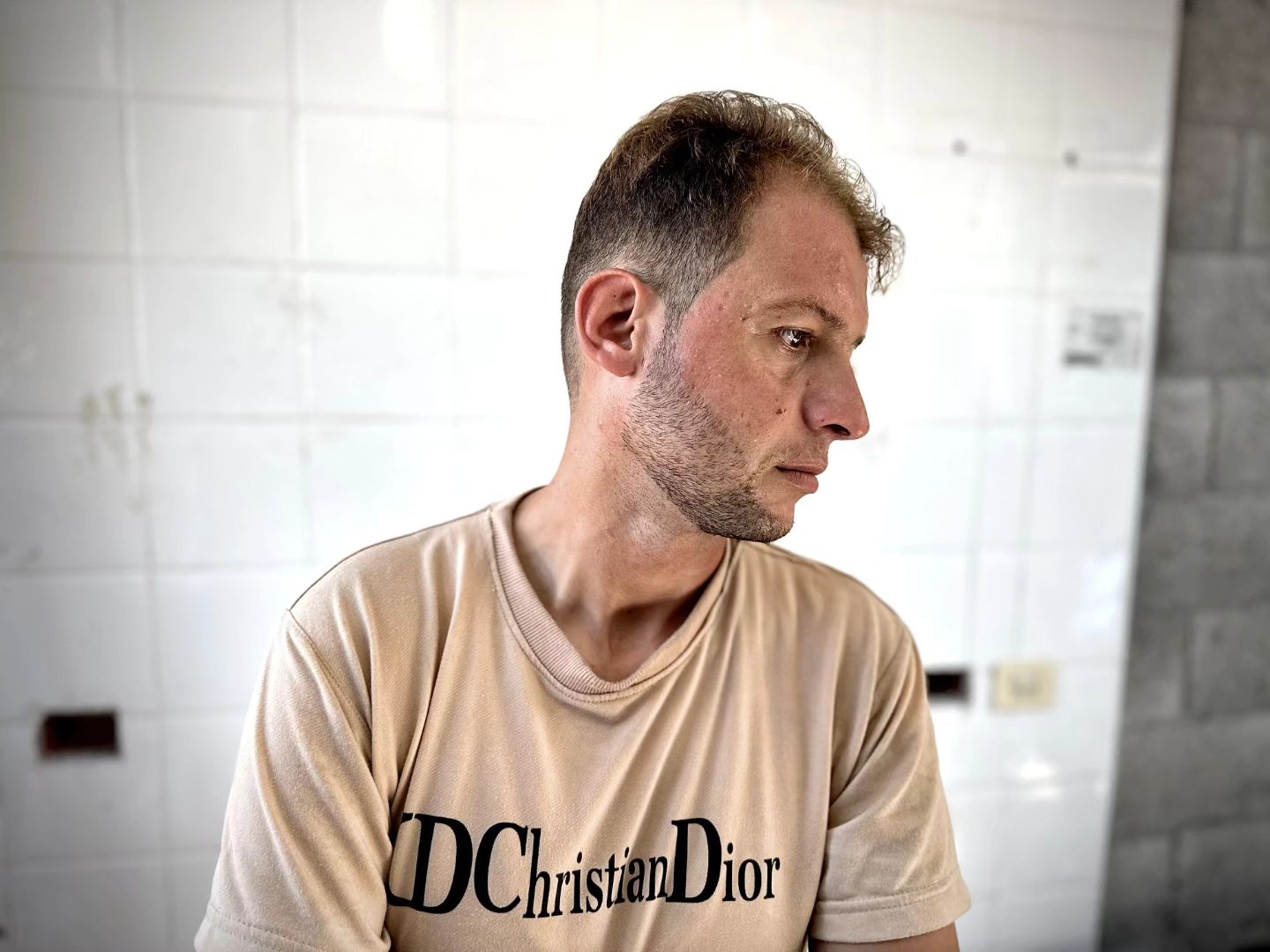
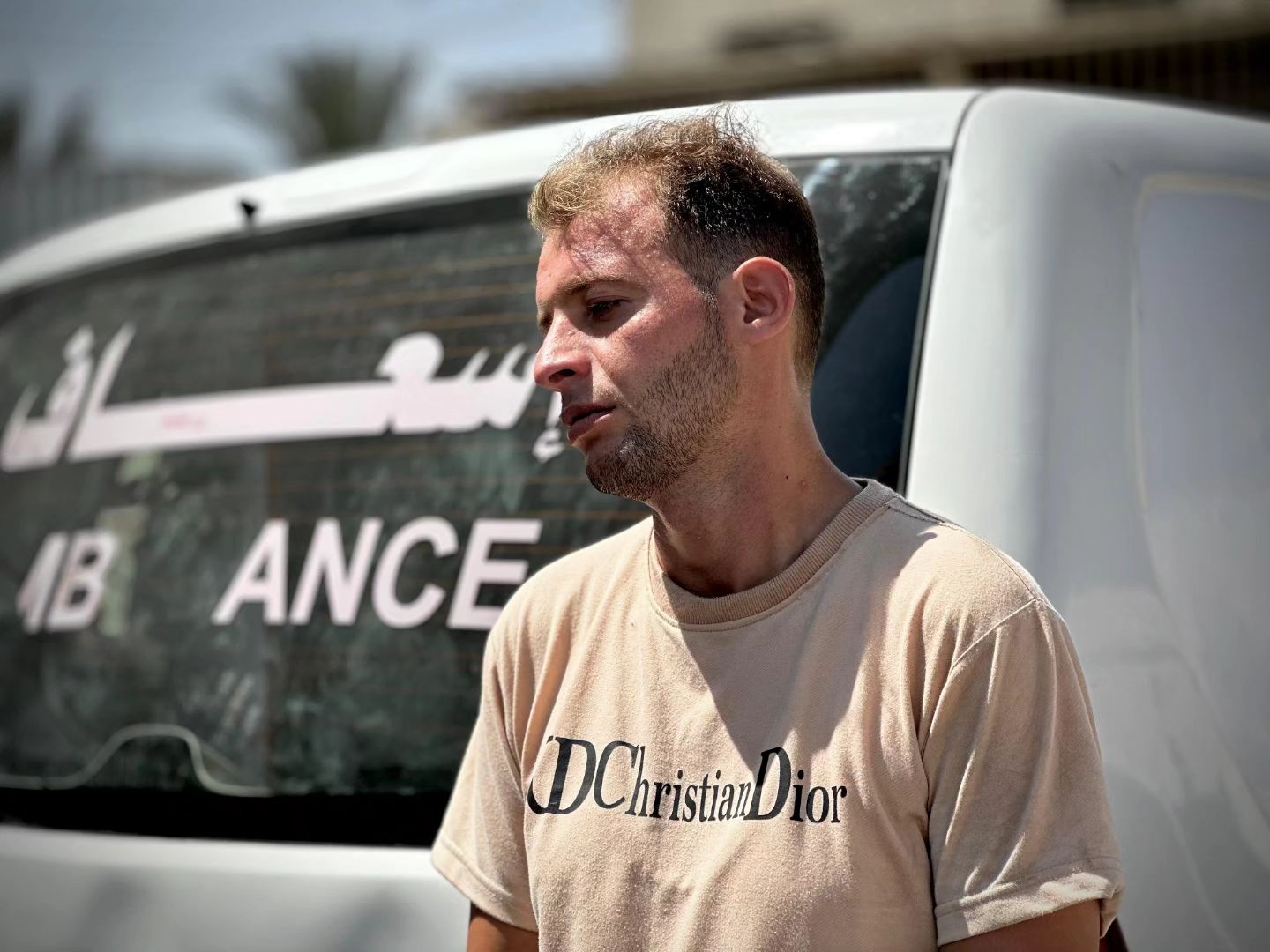
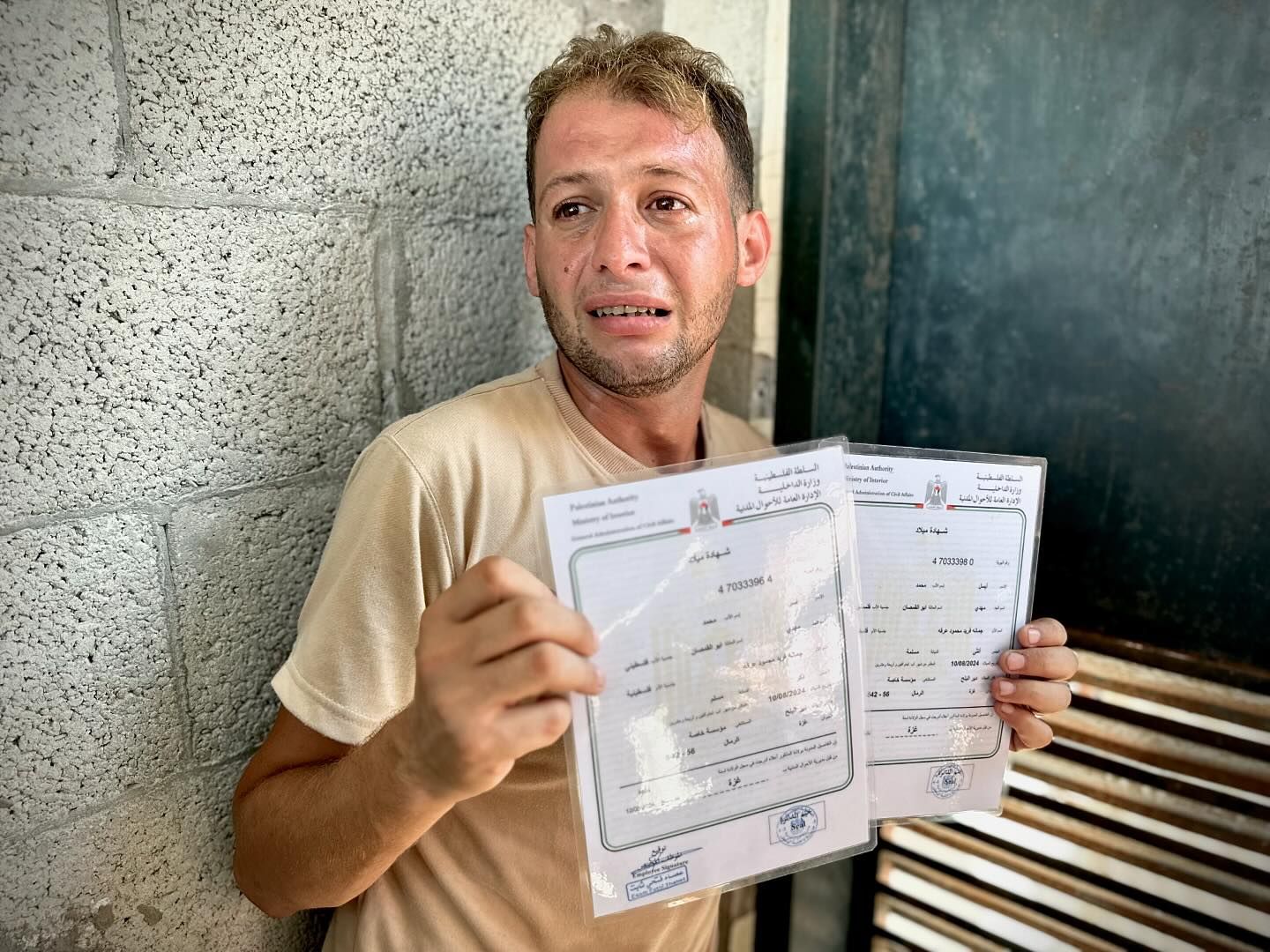
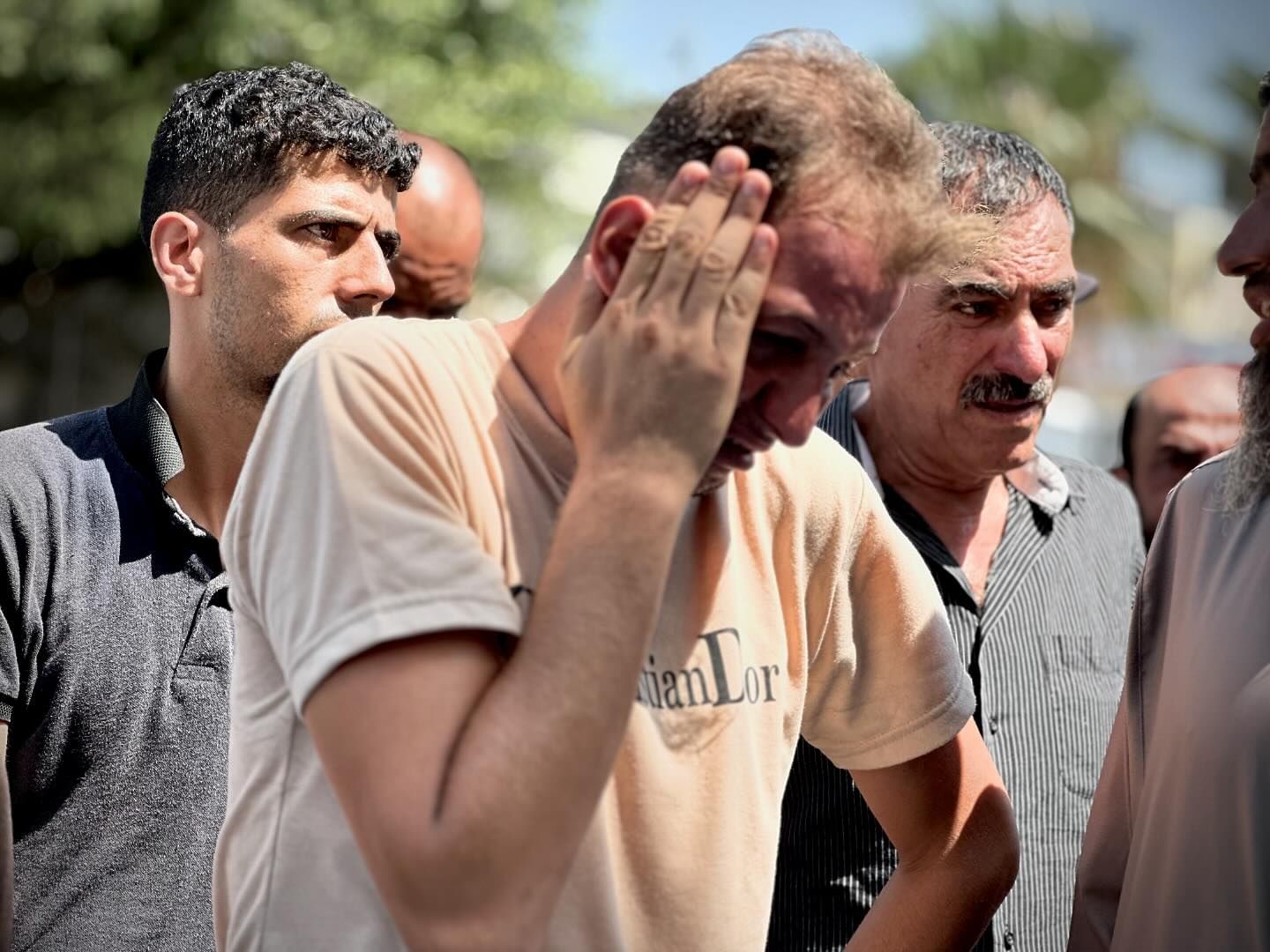
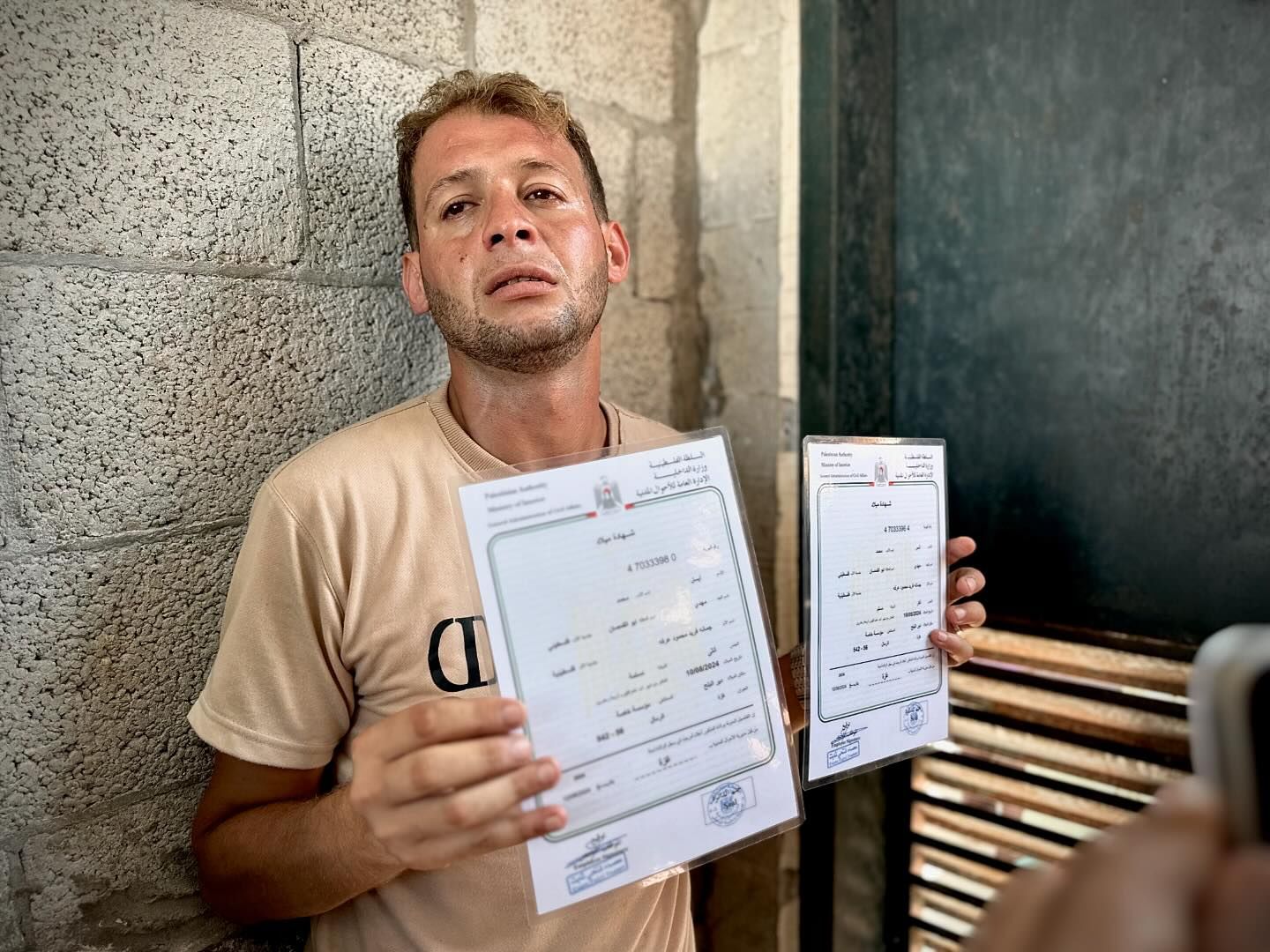
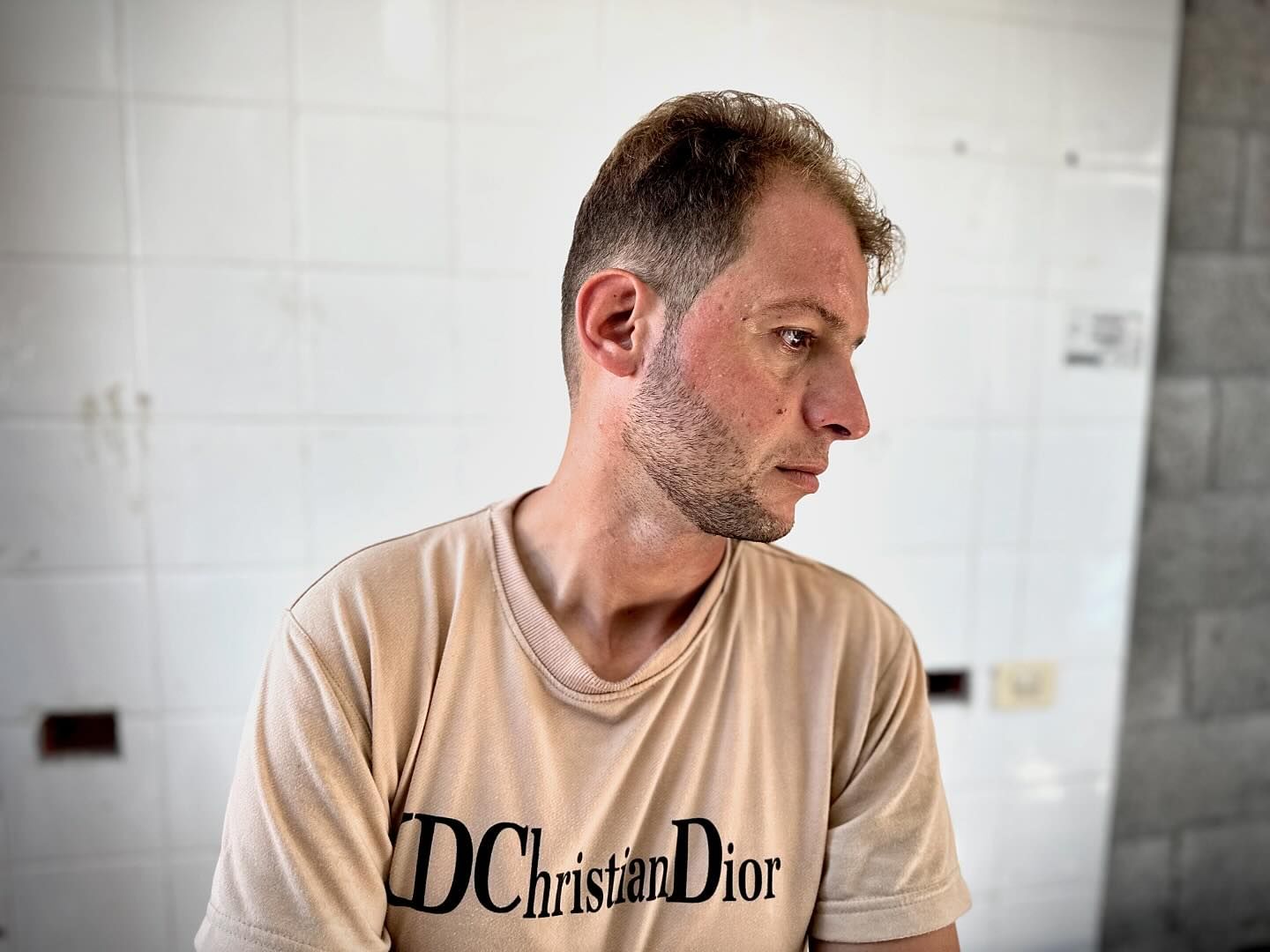
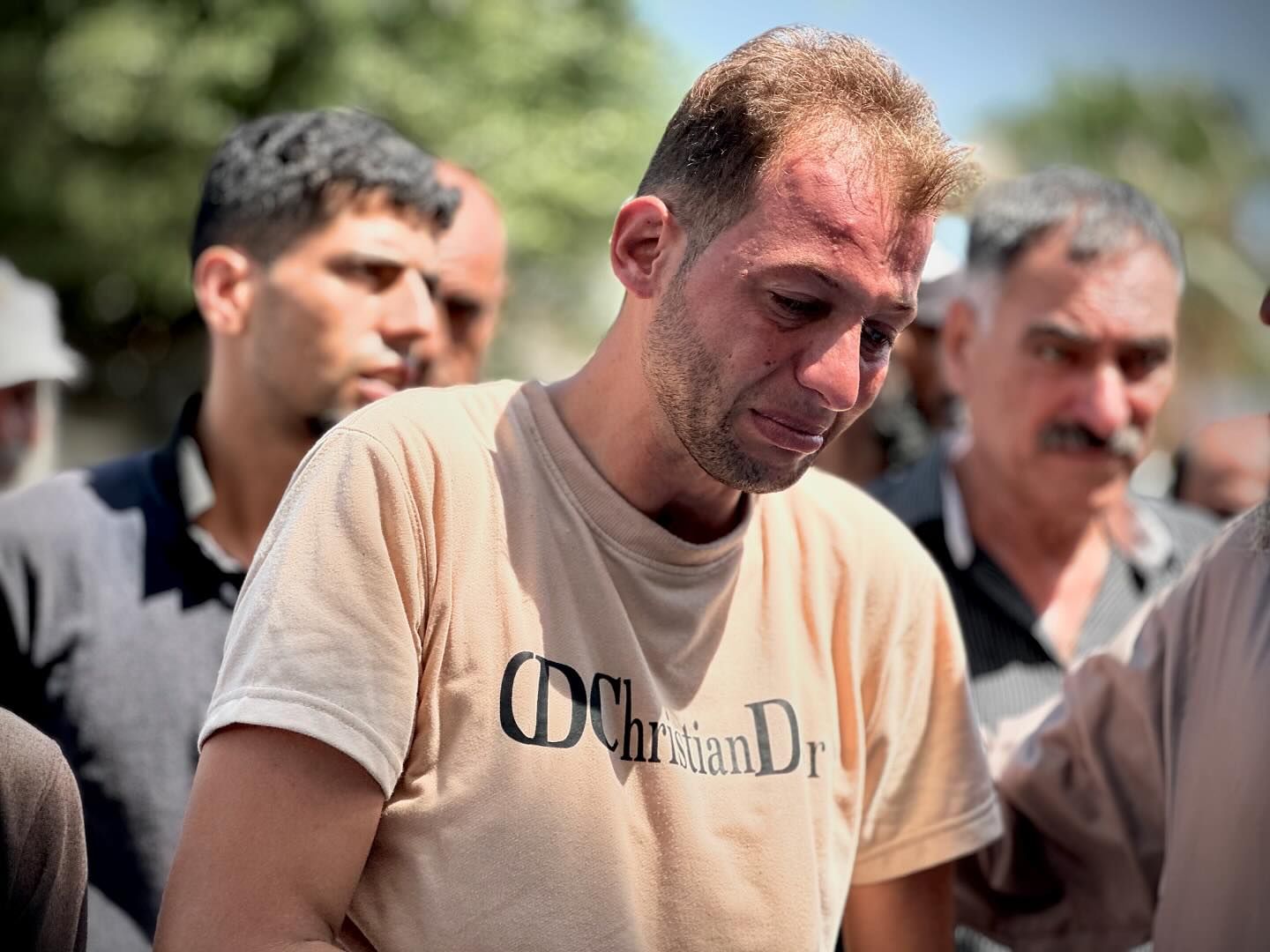
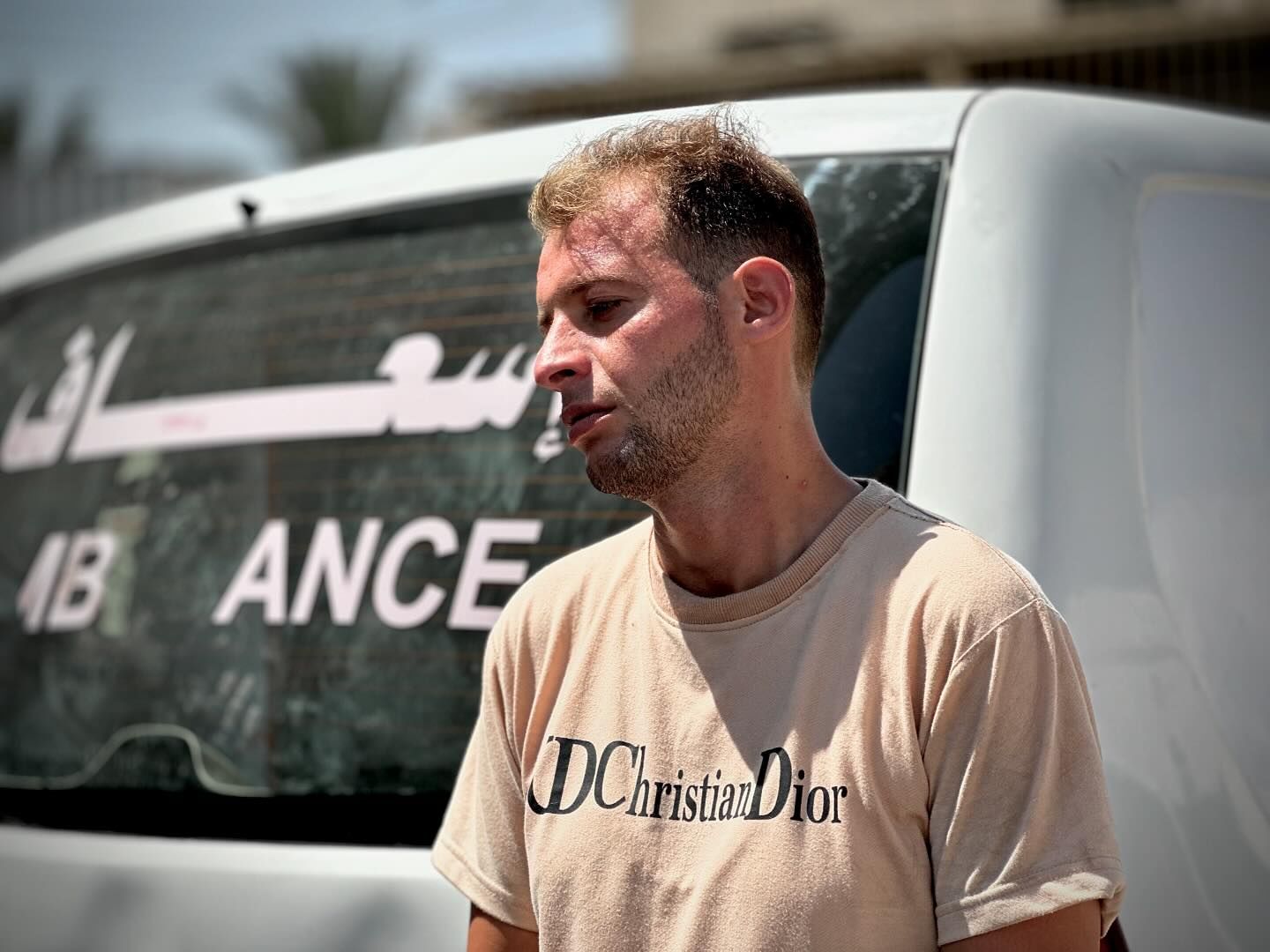
Mercy and peace be upon all the photographers who left their cameras behind, stained with their pure blood, as they wrote, with their blood, even a small part of the truth for history and future generations. 5:39 PM @eye.on.palestine “I came to search for the remains of my son, who had gone ahead to the dawn prayer. Someone gave me a bag of 23 kilograms and said, ‘This is your son; bury him.’ As I carried him, I remembered a day when I was coming back with him from the market, carrying a heavy bag. He, in complete filial piety, asked to carry it for me. He went to his mother happily, boasting of his manhood, singing in front of his siblings, and teasing them that he carried all this weight alone for his father. His siblings embraced him, and his mother prayed for his long life and goodness. Now, once again, you precede me with the bag to the house, my son. But how do I convince them that you are the one inside it? That your laughter, which used to fill the house, your thin arms that you used to use to spar with your siblings, your head that used to rest on your grandmother’s lap, and your feet that tirelessly searched for water—all have become one in this bag. When your mother asks me in a bitter Gazan tone, ‘Do you know if there is any electricity, Abu Saleh? Where will I store all this?’—all the goodness we give to the neighbors—how will I tell her, my son, that what’s in this bag is not suitable for charity, and that 23 kilograms of remains is our share of death this week?”